Israeli founders are behind 29 of the 60 companies on Fortune’s 2026-27 Cyber 60 list, according to a count by Ynet. They account for 12 of the 20 early-stage selections, 11 of the 20 early-growth selections and six of the 20 growth-stage selections.
The numbers raise a question beyond the list itself: How do founders turn Israeli cybersecurity experience into businesses that American companies trust with their systems?
The list and the market
Fortune’s methodology offers part of an answer. The process began with Lightspeed Venture Partners evaluating more than 300 startups, initially sorting them by annual recurring revenue and growth in the current and preceding years. It then validated company-supplied data, examined operations and considered input from its partners and a council of chief information security officers (CISOs).
Fortune reviewed the final selections. The list reflects commercial progress and industry judgment rather than a count of Israeli cybersecurity companies overall. JNS asked Fortune and Lightspeed how many Israeli-founded companies were among the more than 300 startups considered for the list to establish a success rate, but no breakdown had been provided at the time of reporting.
Investment figures show the scale of the market. As JNS previously reported, Israel’s cybersecurity sector received $4.3 billion of the $11 billion raised by Israeli startups in the first nine months of 2026. That figure represents approximately one-third of global cybersecurity funding when compared with a separate $12.7 billion estimate published by Pinpoint Search Group using a different methodology. While a precise share is difficult to confirm, the figures underscore the significance of Israeli cybersecurity companies.
That flow of capital has continued since the initial reporting and even since the Fortune list was published. In mid-November, one of the Israeli-founded Cyber 60 companies, Corma, announced a $125 million Series A funding round at a $1 billion valuation, just three months after emerging from stealth with $60 million.
The new round illustrates continued investor appetite. JNS spoke with founders of two companies on the list to better understand the next challenge: winning customers.
How a track record opens doors
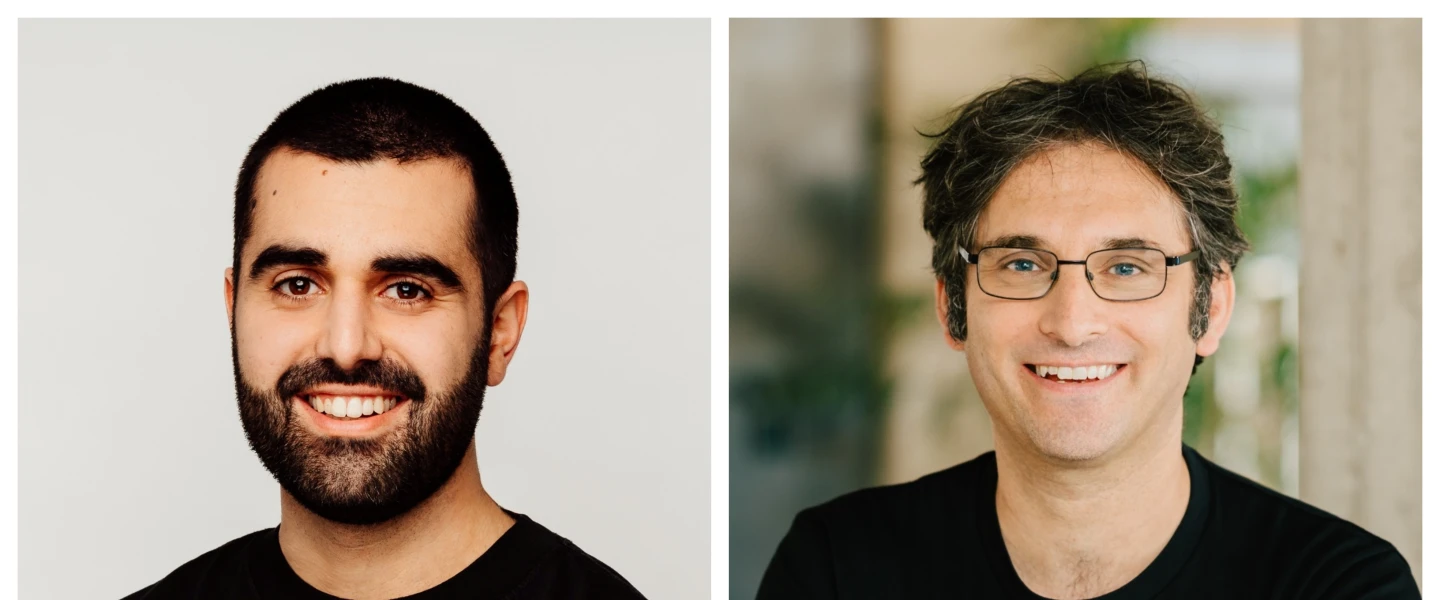
Jonathan Langer, co-founder and CEO of Act Security, said his team’s track record helped open doors abroad. The founders came from Israeli intelligence and had previously built Medigate, a medical-device security company acquired by Claroty. Before being named to the Fortune Cyber 60 list, Act Security was only a few months old but had secured a $20 million seed round.
“When a CISO who has never heard of Act gets an introduction, they’ll still take the first call, because this team has already built and shipped in this space and has the proven success to show for it,” Langer told JNS.
An early introduction came at the AWS re:Invent conference in December 2025. According to Langer, Act then demonstrated its technology in the prospective customer’s own environment. The potential customer’s focus on artificial intelligence led the company to build a Claude Code environment on Amazon Bedrock AgentCore, with security boundaries enforced by Act.
Langer did not identify the prospect or say whether the demonstration resulted in a paid contract, but said Act now offers that capability to every customer. The company says it is working with Fortune 10 and Fortune 500 companies and has raised a total of $60 million.
Earning access
Roy Rajwan, co-founder and chief product officer of Astelia, described experience identifying weaknesses in complex systems as an advantage. He and fellow founders Alon Noy and Nadav Ostrovsky previously led Israel’s National Cybersecurity Red Team, conducting authorized attacks on critical systems.
Since launching in February 2026, Astelia has applied that approach to determining which vulnerabilities an attacker could actually reach in a customer’s network. It had raised $35 million before being named to the Fortune list. The company now says it works with “several Fortune 500 companies.”
Expertise alone, Rajwan said, did not resolve the challenge of asking a large U.S. company to trust a young overseas vendor with access to its systems.
“A security team that gives a vendor that kind of access is putting its own credibility on the line,” he explained.
Rajwan credited Astelia’s investors, particularly Team8, with helping establish credibility before the company had a U.S. track record of its own. Astelia also used read-only integrations, tested findings in prospective customers’ own environments and worked with channel partners those customers already knew.
“Once the first few customers were live, it got easier. A CISO who could hear from a peer that Astelia had worked in a similar environment didn’t need as much convincing,” he added.
From introduction to proof
Both founders described two stages of earning trust. Langer said the previous experience of Act’s founders made prospective CISOs willing to take an initial call, while Rajwan said Astelia had to minimize the risks of granting access and demonstrate results that customers could verify.
In both cases, an Israeli track record helped start the conversation, while evidence from the buyers’ own environments helped move it forward. Investor backing and confidence in the teams, products and companies also played a role.
Their accounts do not necessarily reflect the experiences of the other 27 Israeli-founded companies on the list.
Nevertheless, the fact that nearly half of Fortune’s leading venture capital-backed cybersecurity startups have Israeli founders underscores the strength of Israel’s technology sector, even as its entrepreneurs face additional hurdles when entering the American market.