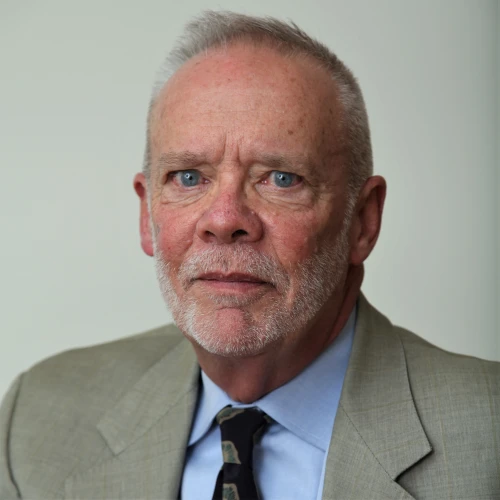
Israel must adopt a defense strategy of zero tolerance for emerging threats, Likud lawmaker Shalom Danino told JNS on Monday.
“In the last 30 years, Israel has hardly ever confronted a strong conventional enemy but rather it has faced new threats, including Iranian missiles and its nuclear program, as well as unconventional terrorist guerrilla forces, as we experienced on Oct. 7, [2023],” he said.
As tensions increase on the Iranian front, the U.S. military bombed Iranian military sites for the ninth consecutive evening on Sunday.
Israel Defense Forces Chief of Staff Lt. Gen. Eyal Zamir said that the Jewish state is prepared to “immediately resume combat” as it closely monitors regional tensions involving the Iranian regime.
Danino said Israel needs to reach a point where “we preserve our ability to strike emerging threats. It is not only a military decision. It must be a decision by the government that this will be our new defense strategy after Oct. 7.”
The establishment of security buffer zones in Lebanon, Gaza and Syria, while requiring additional troops, is important for providing early warning and preventing threats, he said.
Earlier this month, Israel and Lebanon moved to the implementation stage of the U.S.-brokered framework agreement reached last month.
The agreement calls for the creation of pilot zones in Southern Lebanon where the IDF would withdraw, allowing the Lebanese Armed Forces to restore state authority and keep Hezbollah out. The process would eventually enable an Israeli withdrawal from the area.
Born in Ofakim, west of Beersheva, in 1956 to parents who immigrated to Israel from Morocco and were among the city’s founders, Danino was the first child born in the city.
He began his IDF service in the Paratroopers Brigade before transferring to the Israeli Air Force. He was discharged after 10 years of service with the rank of major.
Danino entered the business world and founded several businesses, including Dorot BaNegev, a 120-bed nursing home in Beersheva that, he said, recorded no COVID-19-related deaths during the pandemic.
Danino had enrolled in a master’s program in philosophy and Jewish studies in Jerusalem, but he had to interrupt his studies during the pandemic.
Four years ago, he ran in the Likud primary and was elected to the Knesset as the party’s representative for the Negev District.
“I always look for opportunities to continue learning. In the Knesset, there is a world of issues. Every day you deal with 20 different issues,” he said.
Danino said he was offered the position of deputy foreign minister but declined it because it would have taken him away from the legislative process.
“We sit in our living rooms and say, ‘If I were in his seat, I would do this and that.’ We think it’s easy. Then you get here and everyone waits to see what you can do,” he said.
The Likud primary
Danino stressed the difficulty of the upcoming Likud primary, explaining that with Prime Minister Benjamin Netanyahu receiving authority to fill eight reserved slots on the candidates list, five additional slots reserved for district representatives, and sitting ministers expected to seek reelection, incumbent lawmakers will be competing for a limited number of realistic spots.
“Only one in five lawmakers will likely make it back to the Knesset, and I can’t say for sure that I will,” he said.
Danino, who is deputy chairman of the Knesset Economic Affairs Committee and chairman of two subcommittees of the Foreign Affairs and Defense Committee, said he has passed numerous laws.
One of them protects IDF reservists who are self-employed, business owners or independent contractors from being required to repay compensation received from the National Insurance Institute if their income declines because of reserve duty.
“The National Insurance Institute compares revenues year after year, and there is a scenario in which, in 2023, it compensated business owners based on their 2022 income, but in 2024, because they served in the reserves and earned less, they are asked to return the money,” Danino explained.
“Their businesses slowly die because we need them on the battlefield. Sometimes they are even killed on the battlefield, and their widows receive letters demanding repayment of compensation deemed to have been excessive,” he added.
Danino said the legislation, which he originally introduced as a private member’s bill before the government joined the initiative, put an end to such cases.
Danino also highlighted an amendment he sponsored abolishing what he described as the “public treasury tax.”
The amendment stipulates that reductions to retirement pensions will no longer apply to IDF career personnel who retire from active service but continue working for the military as civilian employees. Danino explained that career soldiers who retire at age 42 receive a pension, but if they choose to remain in the military as civilian employees because of their experience and desire to continue contributing, they previously lost 30% of that compensation. Had they taken a civilian job outside the military, they would have retained the full benefit.
Danino also championed a 450 million shekel (close to $150 million) project to upgrade Highway 40 from the Sharon region to the southern desert, which he said is four times more dangerous than any other highway in Israel.