The Saudi Arabian educational curriculum is now entirely free of antisemitic content, and promotes peace and coexistence, while openly presenting Islamic extremism as a threat, a study released on Monday found.
The continued educational reform and unequivocal signs of moderation in the kingdom come amid a push to reach a peace deal between Saudi Arabia and Israel during the remaining years of the Trump administration and reflect the shifting alliances in the Middle East. They stand in sharp contrast with the ongoing antisemitic incitement prevalent in Palestinian Authority school textbooks.
The review published by IMPACT-se, a London-based research group and watchdog, of 136 textbooks used in the 2025-26 school year, finds continued moderation and reforms in the Saudi educational curriculum, alongside further reductions in extremist and intolerant content.
The curriculum promotes loyalty to the Saudi state and takes a decisive stance against extremism, while concomitantly moderating its treatment of Israel, the study found.
Textbooks strongly emphasize obedience to the Saudi ruler, condemn extremist organizations including ISIS, Al-Qaeda, Hezbollah, the Houthis and the Muslim Brotherhood, and portray Islamic extremism as a threat to national stability.
An 11th-grade Arabic language exercise, for example, no longer features the sentence “The Muslims will never give up Jerusalem,” a contested phrase that implied the city was under threat.
Lessons on jihad and armed conflict continue to move away from glorifying violence, reinforcing the curriculum’s broader emphasis on state authority and the protection of civilians.
A 9th-grade Islamic Studies textbook now unequivocally prohibits harming noncombatants during war, removing earlier language that allowed exceptions when deemed “necessary.”
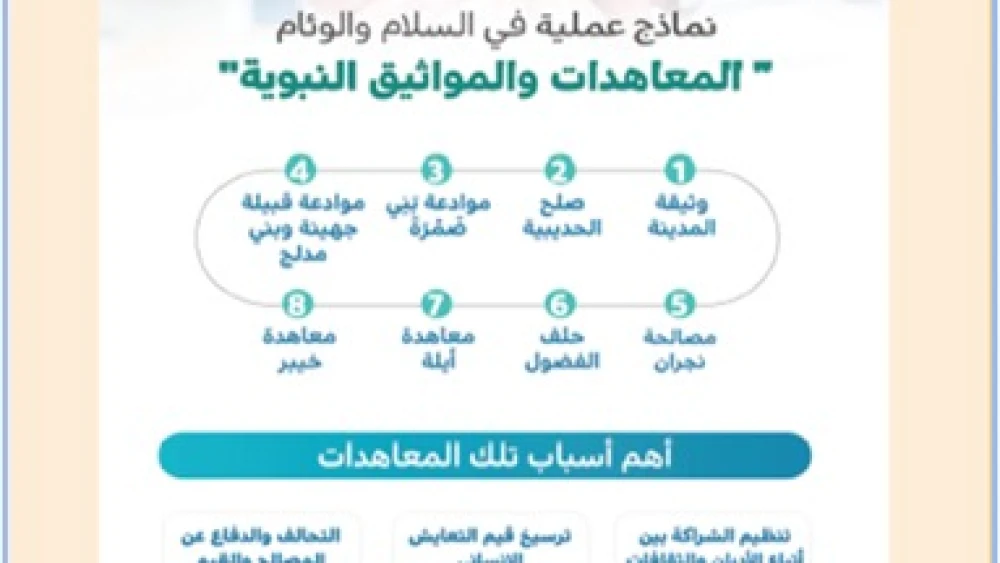
Islamic Studies textbooks similarly present positive models of interfaith relations, including the Prophet Muhammad’s kind treatment of non-Muslims, highlighting his peace agreements with Jews, Christians and Arab tribes.
A Grade-7 textbook cited in the report no longer describes adherents of Judaism, Christianity and Zoroastrianism as “maimed animals.”
“The Saudi curriculum has never been more positive in its portrayal of religious minorities or more encouraging of peace and tolerance,” said IMPACT-se CEO Marcus Sheff. “The overall trajectory is extremely encouraging and will inevitably contribute to greater regional stability and understanding.”