Israel and Syria held high-level talks in Jordan on Sunday in order to ease regional tensions following Israeli strikes on an airbase in northwestern Syria last week, Reuters reported, citing Syria’s state news agency SANA.
“A high-level Syrian delegation headed by the foreign minister and including the general and military intelligence chiefs” met an Israeli delegation “under American mediation and hosted by Jordan,” SANA quoted a diplomatic source at the foreign ministry in Damascus as saying.
The Israeli delegation was led by Mossad chief Roman Gofman, two diplomatic sources who spoke on condition of anonymity told AFP.
The discussions included a proposal to establish “a special operations room” in Jordan under U.S. supervision as a communication channel to prevent confrontations in Syria, with Turkey also participating, the sources said.
The meeting also aimed to revive negotiations over a security agreement between Jerusalem and Damascus, SANA reported.
On the night of Aug. 17-18, Israel attacked the Abu al-Duhur Military Airbase in Idlib, with Israeli Defense Minister Israel Katz saying on Sunday that the IDF had recommended carrying out the operation based on intelligence linked to Turkish deployment to the base.
The Israeli Air Force dropped at least eight bombs on runways and hangars at the airbase, Axios reported on Sunday.
Turkey was planning to deploy drones and a radar system in Abu al-Duhur, and preparations for their deployment were underway, according to the report.
Damascus denied plans for a permanent Turkish presence at the airbase.
Syria’s Foreign Minister Asaad al-Shaibani told Axios that Turkish military officers visited the base several days before the Israeli strike, but that their visit was part of “ongoing military cooperation in the areas of training and the exchange of expertise.”
Syrian FM: ‘We do not trust Israel’
On Saturday, al-Shaibani told Reuters that he expected talks with Israel to restart soon, after contact was completely cut off following the airstrikes in Idlib.
He said that Damascus would hope to secure a security agreement with Jerusalem that included Israel’s withdrawal from Syrian territory.
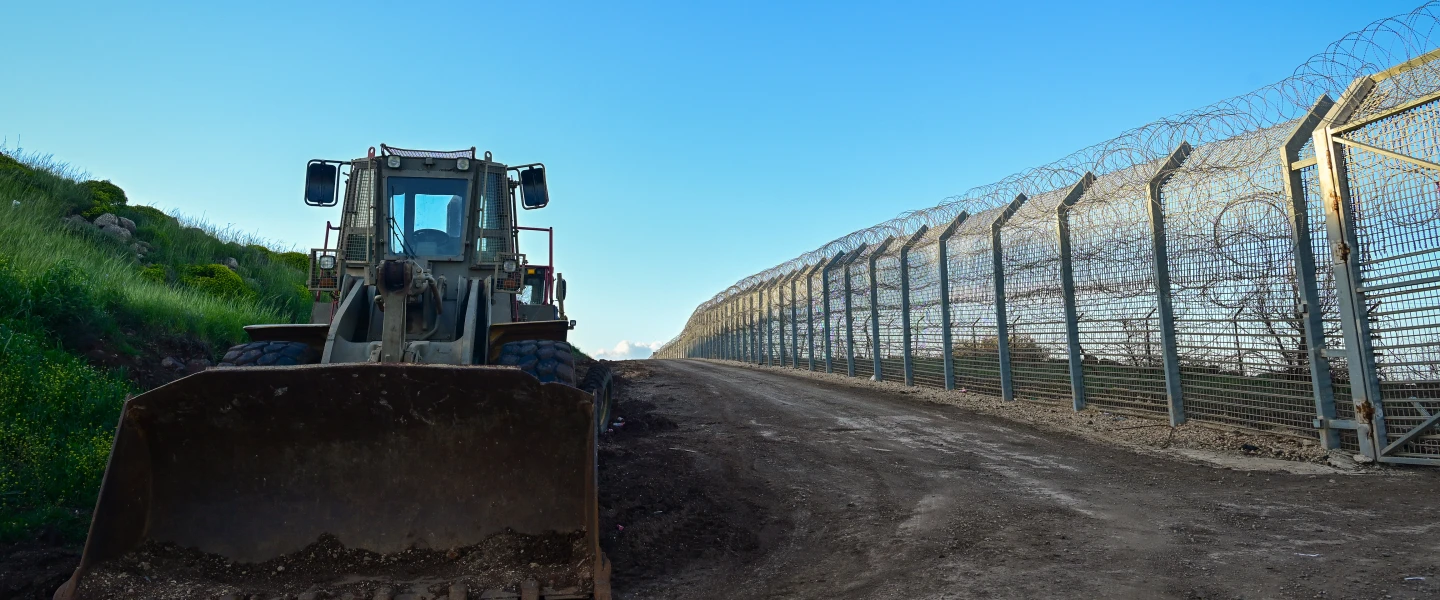
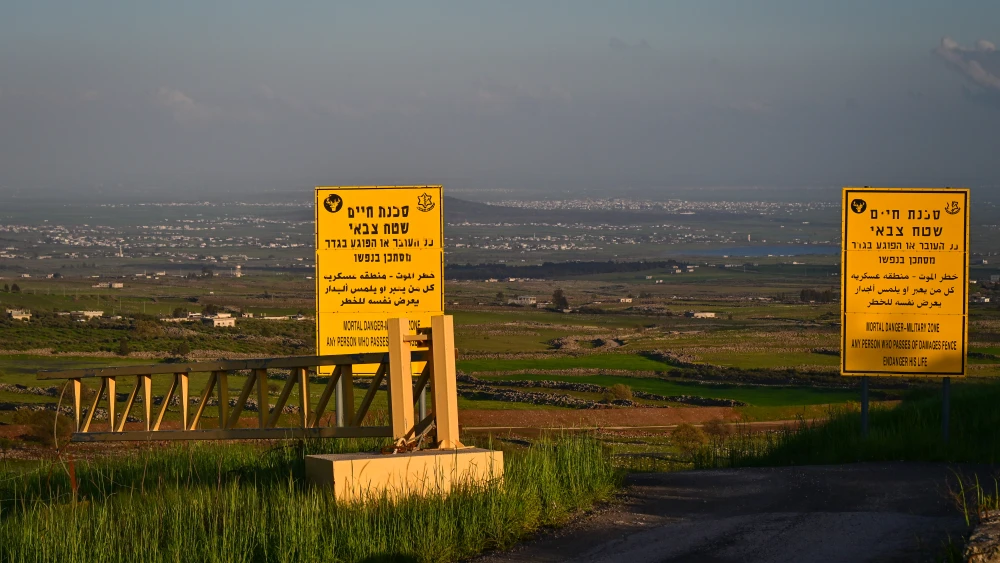
After the fall of Bashar Assad’s regime in December 2024, the Israel Defense Forces took control of a narrow strip of land east of the Syrian border in the Golan Heights as a security measure against terrorist threats.
“We believe there should be contact, especially with a party that constantly threatens the security of Syria. But if this contact doesn’t bring results, then we don’t need it,” al-Shaibani said, adding, “We do not trust Israel currently.”
Al-Shaibani also related that earlier this year, the sides had “agreed on paper to almost everything” regarding a security deal that was tied to Israel’s withdrawal from territory seized after Assad fell.
Reuters reported that the deal would involve several security zones east of the Israeli-Syrian border, including a buffer zone where only the United Nations would be present and others zones where Syrian forces would be stationed in “varying degrees of force.”
On Friday, Israeli Prime Minister Benjamin Netanyahu’s international spokesman Doron Spielman said that Turkey now had a “substantial military presence” in roughly 5% of territories in northwestern Syria.
Israel’s position is very clear, he continued: “We will not allow Turkey to entrench itself in Syria and to be moving steadily south toward Israel’s border.”
Turkey moved to expand its military presence in Syria toward Israel’s border. Israel detected the threat and acted before it escalated.
— Prime Minister of Israel (@IsraeliPM) August 21, 2026
See the map. See what happened. pic.twitter.com/Bm465pwwMH