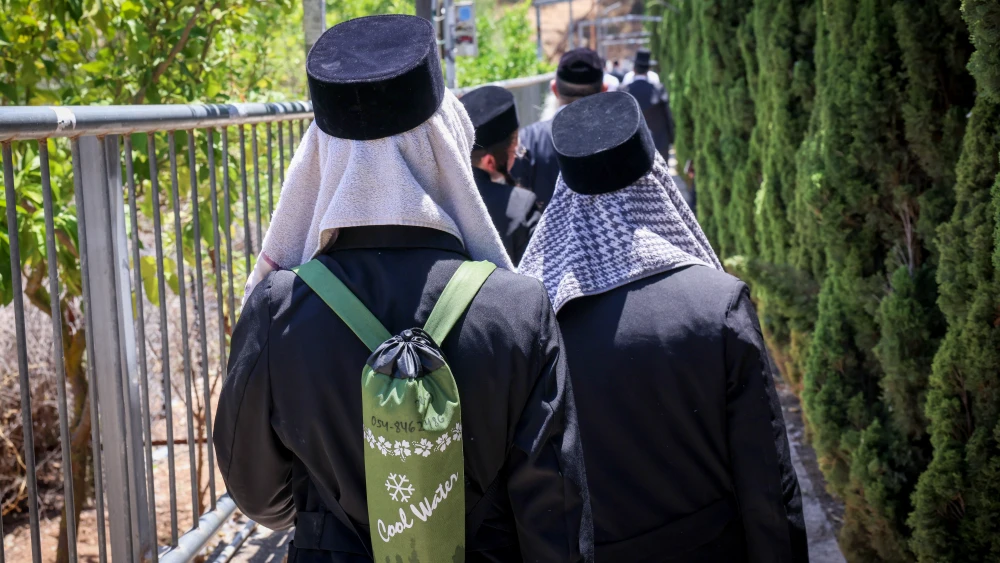
Israel’s Health Ministry on Thursday urged the public to take precautions as a severe heat wave is set to peak this weekend.
The ministry emphasized that the elderly, children, pregnant women and people with chronic illnesses are especially at risk.
The Israel Meteorological Service forecasts the heat wave will hit most of the country from Friday through Sunday.
According to the advisory, people should limit sun exposure and exertion, drink water often and stay in air-conditioned spaces. Drivers should take breaks to cool off, and those outdoors should wear light clothing, hats and sunscreen.
Officials warned against leaving children, the elderly or people with disabilities in unattended, unventilated vehicles, and said animals must have water and ventilation.
Prolonged heat exposure can cause heatstroke, a life-threatening loss of the body’s ability to cool itself. Those at higher risk include children under 4 and people with heart disease, obesity or other chronic conditions.
Hikers are urged to avoid trips during the heat wave or, if going, to plan routes and carry enough water.
Anyone showing symptoms such as a high fever, red skin, severe headache, dizziness or confusion should call Magen David Adom immediately and move to a cool, shaded place. People with suspected heatstroke should not be given anything to drink if they are confused or have an altered level of consciousness, as they may require IV treatment and rapid medical cooling.