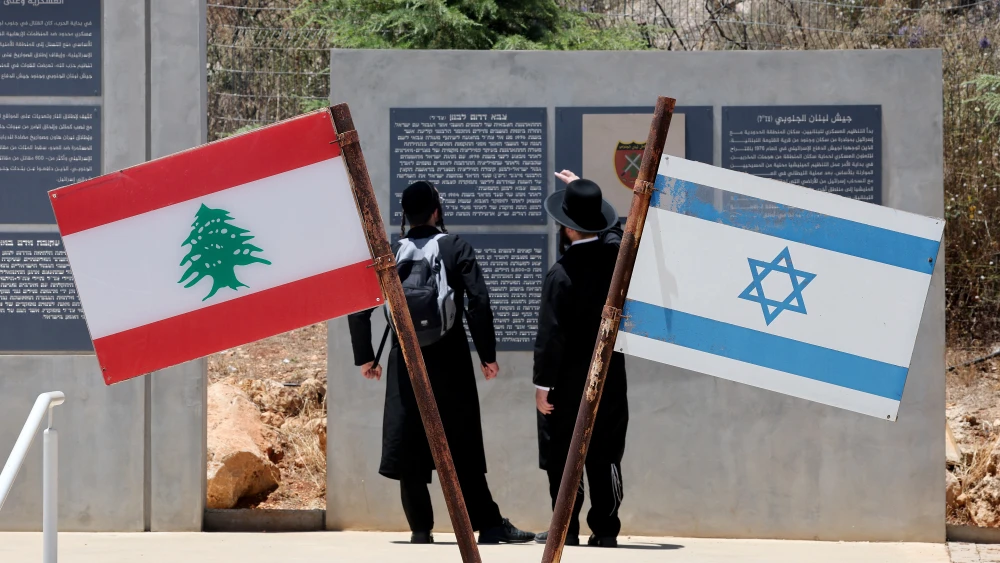
Israel and Lebanon are set to open a new round of U.S.-mediated talks in Rome on Wednesday and Thursday as negotiators move from a broad framework deal toward implementing “pilot zones” for an eventual Israeli pullout once the Hezbollah threat is removed.
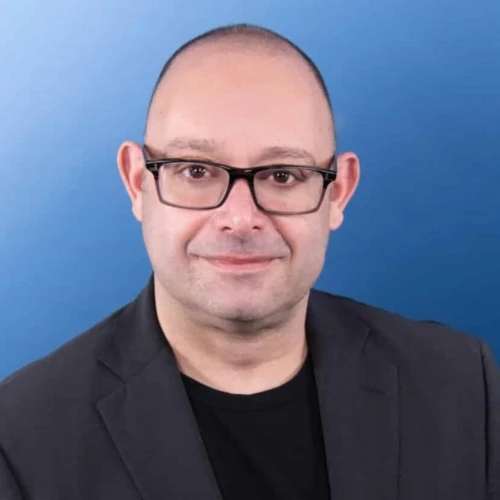
In a CBS News interview broadcast on Sunday, Ambassador to the United States Yechiel Leiter, who is leading the talks for Jerusalem, said the Rome meetings will focus on creating conditions for the Lebanese Armed Forces (LAF) to assume control in designated areas so that Israel can begin a phased withdrawal—but only if the Iranian terror proxy is dismantled.
“What the agreement with Lebanon does is completely remove Iran from the paradigm,” Leiter told “Face the Nation” moderator Margaret Brennan, adding that Jerusalem and Beirut “are on the same page” in seeking to push Hezbollah out for Israel’s security and Lebanon’s sovereignty.
A pleasure speaking to @margbrennan this morning, ahead of the next leg of talks with the Lebanese.
— Ambassador Yechiel (Michael) Leiter (@yechielleiter) July 12, 2026
We talked about the negotiations for a lasting peace without Iran and Hezbollah, Sen. Lindsey Graham’s vision for the Middle East, and odd ways to kickstart a presidential… pic.twitter.com/mkEpnNCCOX
He said Israel “can withdraw the moment that Hezbollah is dismantled,” but that the military will have to stay in the security zone should the terrorist group hold on to its arms, “because we’re not going to go back to a situation where our citizens are going to be threatened by an Iranian proxy firing missiles and building tunnels so they can attack, like Hamas did on Oct. 7,” referring to the 2023 mass murder and kidnappings in southern Israel led by the Gaza-based terrorist organization that sparked a multi-front war with Tehran and its regional terror proxies.
Leiter described the two areas where Israel is expected to withdraw first as “pilot zones” being prepared in coordinated with U.S. Central Command (CENTCOM) and the Lebanese army, stressing that the plan is not delayed but contingent on the LAF being able to deploy and on Hezbollah not maintaining a presence there.
“I certainly hope; they’re planned for the next few weeks. We’re working on that together with CENTCOM,” Leiter said, responding to Brennan’s question about whether the pilot zone withdrawals would happen soon.
This week’s talks in Italy’s capital come after a U.S.-brokered framework agreement reached last month. During the fifth round of talks in Washington on June 26, representatives of Beirut and Jerusalem, including Leiter, signed a U.S.-brokered framework agreement, which lays out two pilot zones recommended by the Israel Defense Forces, where the LAF would deploy and disarm the Iranian proxy.
Hezbollah renewed its rocket and drone attacks from Southern Lebanon on Israel on March 2, following the targeted killing of Iranian Supreme Leader Ali Khamenei on the first day of “Operation Roaring Lion” on Feb. 28.
In response, Jerusalem launched a broad aerial campaign against Hezbollah targets and expanded military operations in Lebanon aimed at preventing cross-border attacks on Israeli communities.
Following the resumption of hostilities, Lebanese President Joseph Aoun vowed to do “the impossible” to stop cross-border hostilities between Israel and Hezbollah, and moved to outlaw the Iranian proxy.
Israeli and Lebanese officials subsequently held five rounds of direct talks at the U.S. State Department, resulting in the framework of understandings that was reached last month and is conditioned on Hezbollah being removed from the south.
Leiter provided more insights into the process last week, saying that Israel is working to draft a comprehensive peace agreement framework with Lebanon that could be implemented once Hezbollah is no longer a factor.
Speaking at a Council on Foreign Relations event in Washington on July 6, Leiter said Jerusalem aims to prepare a “full-fledged peace agreement, A-Z” and “put it on the shelf,” ready for use when conditions allow.
“Imagine for a moment that there is no Hezbollah, just Lebanon and Israel,” he said, outlining a vision that includes trade, visas, embassies and tourism.
He said that the Rome talks would also include discussions on border disputes.
“It would be like negotiating the Abraham Accords,” he said, noting that points of contention would be addressed through structured talks between “two sovereign countries” recognizing each other’s security needs.
The U.S.-brokered Abraham Accords were initiated in 2020 during President Donald Trump’s first term, normalizing relations with several countries, including the United Arab Emirates, Bahrain and Morocco.
In Sunday’s interview with Brennan, Leiter said his attendance at the Rome meetings would depend on funeral arrangements for U.S. Sen. Lindsey Graham (R-S.C.), who died on Saturday, adding that “certainly the talks will continue in Rome.”