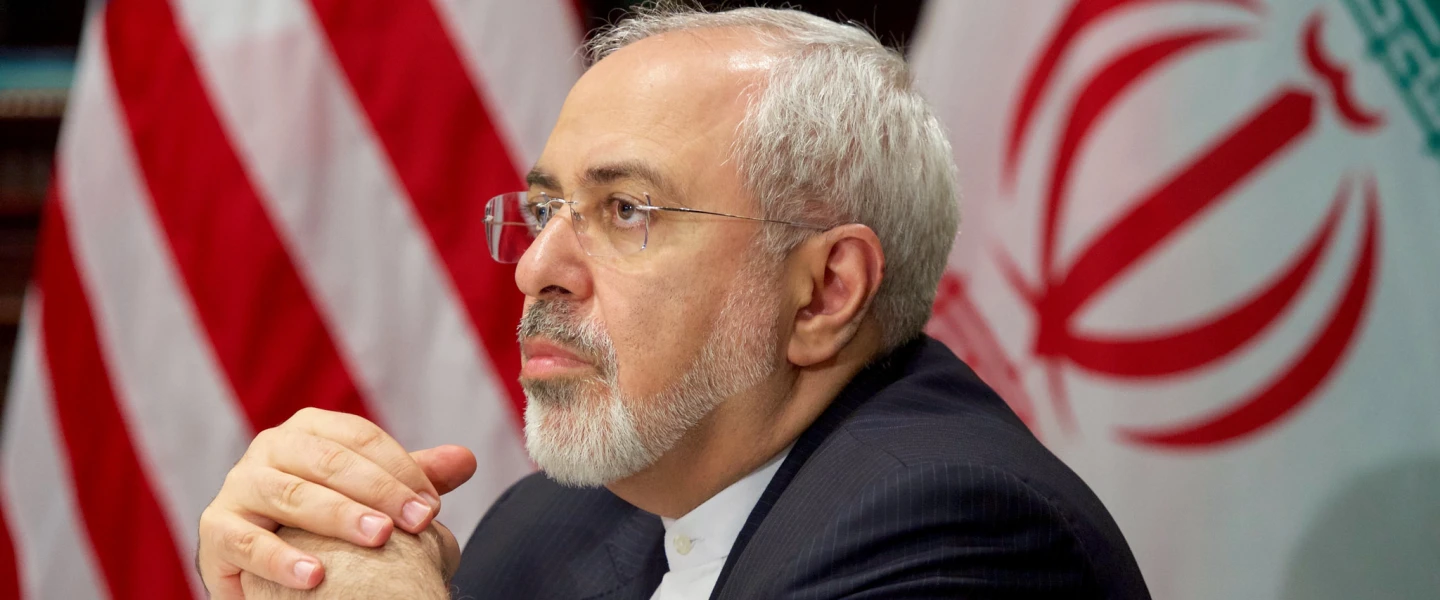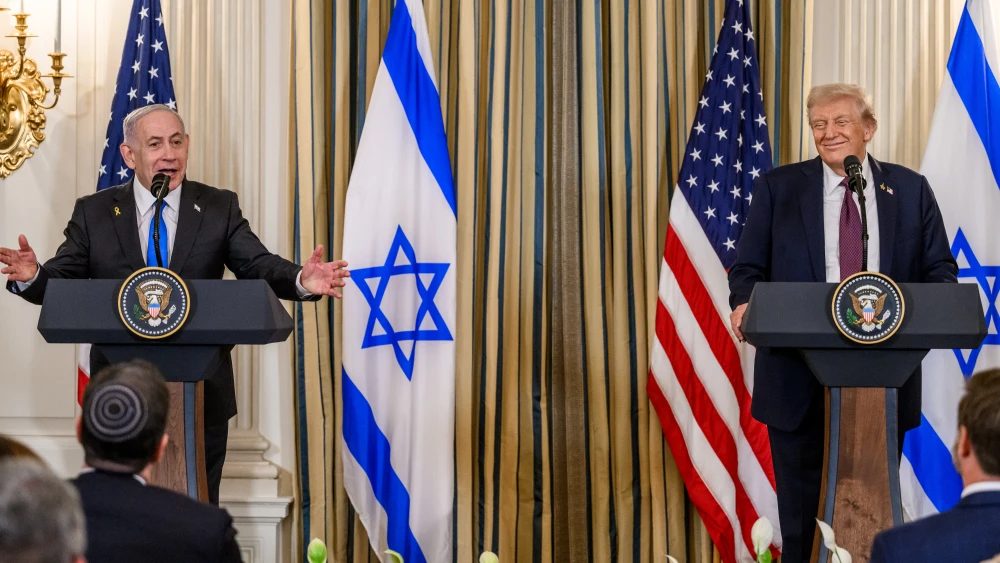
Israeli Prime Minister Benjamin Netanyahu is scheduled to meet U.S. President Donald Trump at the White House on Tuesday morning, marking the eighth meeting between the two since the latter returned to office for a second term.
According to Netanyahu’s official schedule, the meeting with Trump is set for 11 a.m. Washington time. About three hours later, the prime minister is scheduled to attend the memorial service for the late Sen. Lindsey Graham, a longtime supporter of Israel.
Netanyahu is expected to hold additional meetings in Washington on Wednesday before returning to the Jewish state that evening.
Netanyahu’s visit to Washington comes amid continued strategic coordination with the Trump administration, following recent tensions with Iran, and as the two allies discuss broader regional issues.
In a statement before departing from Israel’s Nevatim Airbase on Monday, Netanyahu said he would discuss with Trump “all the issues on the agenda, first and foremost Iran.”
“This is my eighth meeting with him since he was elected president for his second term—more than any other world leader,” Netanyahu noted.
“Of course, our goal is to safeguard our security while also expanding the circle of peace around us,” he said. “I am embarking on this mission with one clear goal—to ensure the security, strength and future of our dear State of Israel,” added the premier.
Nissim Vaturi, a lawmaker for Netanyahu’s ruling Likud Party, told JNS that Tuesday’s meeting was primarily focused on coordination.
“The victory will come when both countries launch joint strikes against Iran until the regime is crushed—without halting the campaign and without entering into agreements,” said Vaturi.
On Monday, Trump told Axios that he had paused U.S. strikes on the Islamic Republic to give negotiations another chance, but said he could resume military operations if diplomacy fails.
“We are in very deep talks with Iran. If they don’t work out, we will go back to very strong military action,” the president told the outlet. Asked how long he’s willing to give diplomacy, Trump said: “Not much time. Either it goes fast or not at all.”
Separately, Trump told reporters aboard Air Force One on Monday that Iran’s negotiators “want to meet and we’re meeting.”
“We’ll see what happens—there’s a chance we could make a deal,” he said.
Regarding Lebanon, Vaturi told JNS the key is to dismantle Hezbollah in coordination with the Lebanese government.
“It would benefit everyone and allow us to move toward peace between Lebanon and Israel. Peace and an end to the war will only be possible once Hezbollah is destroyed. Our brave soldiers are doing tremendous work, and the confrontation line is currently quiet,” he said.
As for Gaza, Vaturi said the territory cannot continue educating children to embrace terrorism and the killing of Jews.
“Gaza will need to make compromises. They should go to Europe. Those who support them so strongly should take them in,” he said.
Analysts and political allies of Netanyahu told JNS on Tuesday that the White House meeting could prove pivotal for U.S.-Israeli coordination on Iran and other war fronts.
Religious Zionism lawmaker Simcha Rothman told JNS that Netanyahu is expected to reaffirm Jerusalem’s ability to independently defend its interests, emphasizing that Israel’s security will remain non-negotiable under any circumstances.
“Israel’s freedom to conduct military operations whenever it perceives a threat to its security should never be subject to compromise,” said Rothman.
“I think what we are seeing on the ground is what should continue. We must ensure that Israel can maintain operations against Hezbollah in Lebanon and continue increasing pressure on Hamas-controlled areas in Gaza. Regarding Iran and Yemen, we must ensure they never acquire nuclear weapons capabilities, develop missile systems, or continue supporting terrorist proxies,” he added.
Netanyahu will also underscore Israel’s commitment to maintaining its close cooperation and strategic relationship with the United States, said Rothman, who described America as Israel’s strongest ally.
Martin Sherman, founder and executive director of the Israel Institute for Strategic Studies and a former intelligence adviser to the Israeli government, told JNS he hoped Netanyahu and Trump would reach a common understanding on the way forward regarding Iran, as well as Lebanon and the Gaza Strip.
Trump must be persuaded to “keep his finger on the trigger” to help bring about the collapse of the Islamic Republic, said Sherman, adding that this was essential for the future of both the Iranian people and the wider world.
“As long as this regime remains in power, it will continue to pose a threat to international security,” he said.
The most pressing concern, according to Sherman, is that Trump is influenced by two competing camps: the more hawkish Defense Secretary Pete Hegseth and Secretary of State Marco Rubio, and what he described as the “strangely dovish” advisers Jared Kushner and Steve Witkoff.
“I’m deeply concerned about the influence Kushner and Witkoff wield,” said Sherman. “They do not appear to be free of Qatari influence, and it raises questions about the extent to which Qatar and Saudi Arabia may be shaping their thinking.”
In Lebanon, Sherman said Hezbollah is increasingly viewed as an enemy by the Lebanese people. He expressed hope that Netanyahu would reinforce that message during his meeting at the White House.
“I hope Netanyahu can make the case for preserving Israel’s freedom of action in Lebanon until Hezbollah is completely eradicated, and perhaps persuade the Americans that Israel should move its northern security frontier to the Litani River,” he added.
Regarding Gaza, he argued that Trump’s original proposal to relocate the civilian population to third countries remains the only viable solution. He said Jerusalem can prevent Hamas or another terrorist organization from regaining control only by governing the territory, adding that doing so without ruling over Gaza’s population would require relocating the enclave’s residents elsewhere.