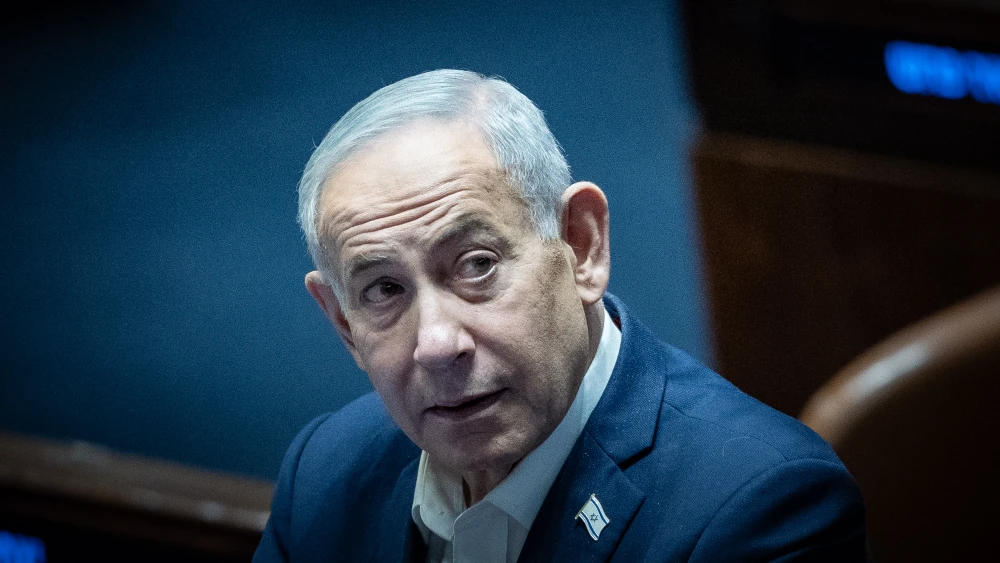
Israeli Prime Minister Benjamin Netanyahu requested on Wednesday that reserved slots on the party’s candidates list be granted to Israeli Defense Minister Yisrael Katz, Israeli Foreign Minister Gideon Sa’ar and Israeli Health Minister Haim Katz ahead of the Aug. 17 Likud primaries.
However, the Likud Party Court, the party’s top judicial body, issued an interim order barring the Likud Secretariat from voting on the request for Haim Katz, citing a conflict of interest. Katz serves as chairman of the Likud Constitution Committee and chairman of the Likud Secretariat, the party organ which votes to approve the reserved slots.
Those in reserved positions on the party’s slate don’t have to campaign ahead of party primaries. The defense minister was granted a slot in order to free him to focus on defense matters. Sa’ar was given a slot as part of an earlier deal when his New Hope-United Right Party merged with the Likud in 2025.
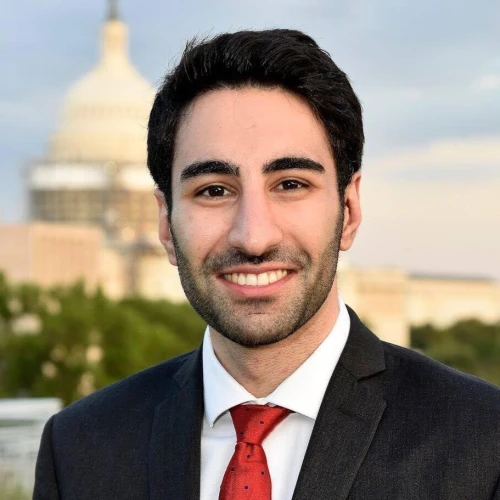
Netanyahu also announced on Wednesday that the first (non-incumbent) reserved position would go to Oren Dobronsky, a high-tech entrepreneur well-known in Israel and Silicon Valley. Dobronsky will take the lead in integrating artificial intelligence into all aspects of the economy, the Likud Party posted to its X account on Wednesday.
“If we were until now the Startup Nation, we must concern ourselves with also becoming the AI Nation,” Dobronsky said in a video post.
אורן דוברונסקי,
— הליכוד (@Likud_Party) August 11, 2026
ברוך הבא למפלגת הליכוד! pic.twitter.com/04MgBIobmG
In July, the Likud Constitution Committee agreed to Netanyahu’s request to take control of eight spots within the top 30 of the Likud list, positions 3, 5, 9, 11, 15, 18, 26, and 29, plus one additional spot for the defense minister.
Before 2013, reserved slots didn’t exist. Netanyahu was given two in 2015 and five in 2022.
The reserved slots for Katz, Sa’ar and potentially Haim Katz are in addition to the eight slots reserved for Netanyahu’s picks.
The decision to grant the prime minister an enlarged number of reserved spots, reducing the number of positions for which Likud lawmakers can compete, has generated opposition from some Knesset members. Reducing the number of eligible spots still further is that several Knesset seats are reserved for geographic regions. According to estimates, as many as 15 incumbent Likud members will not be able to retain their seats in the next Knesset.
On Wednesday, Likud Knesset Member Tally Gotliv, a critic of the system who is popular with the party’s rank-and-file, attacked the defense minister, saying on X that he “is the one who wants to push me out. Israel Katz knows he won’t make it to the top 10, and rightly so!! The voters want otherwise, and the voters—and only they—will decide.”
In June, Likud Knesset member David Bitan expressed his reservations about the new system, posting to X, “My concern is that the parties that have an arrangements committee [a select group that chooses the candidates]—factually, their power is weakened or they disappear; it is forbidden to allow Likud to gravely harm itself, it is forbidden to lose the beating heart that is the grassroots. This could cost us in the elections.”
Only the Likud has consistently over the years selected its candidates through large-scale primaries. This election cycle, some 140,000 Likud members are eligible to vote. Other parties either don’t hold elections, relying on party leaders to choose their lists, or hold smaller votes through nominating committees. Although this year, a new opposition party, The Democrats, a merger of Labor and Meretz, did hold online primaries.