Ejecting representatives of the U.K. or of other countries from the U.S.-led International Gaza Support Center in the southern Israeli city of Kiryat Gat would undermine efforts to improve Gaza’s future, the British embassy in Israel tweeted on Friday.
Reports emerged over the past week that Israel was planning to evict British personnel from the multinational hub, which is meant to oversee post-war Gaza stabilization efforts. The Israeli plans come in response to the British government’s intention to impose “robust” sanctions targeting Israeli communities in Judea and Samaria, in connection with Israel’s planned development of the E1 area in Ma’aleh Adumim, east of Jerusalem.
“The U.K. is committed to the implementation of the 20-Point Plan in Gaza and playing our part in improving the situation on the ground, at the request of the United States and the Board of Peace,” the embassy added, referring to the original Trump administration’s peace plan for Gaza, advanced alongside the hostage-terrorist swap agreement that took effect from January to March 2025.
And because of that commitment to Gaza's future, we continue to work at IGSC with the US, Israel, international partners and UN agencies in support of UNSCR 2803. Removing the UK or other partners would undermine these shared efforts.
— UK in Israel 🇬🇧 (@ukinisrael) August 28, 2026
(2/4)
On Tuesday, Israeli Foreign Minister Gideon Sa’ar said that the Jewish state was evicting the Dutch from the IGSC (previously known as the Civil-Military Coordination Center).
Israel is responding to “a series of anti-Israel measures taken by the Dutch government,” specifically a Dutch law set to take effect next month that will ban trade of products made in Judea and Samaria, eastern Jerusalem and the Golan Heights, Sa’ar said.
The Netherlands is joining other European nations, including Belgium, Ireland and Spain, in restricting trade with Jewish communities in those areas.
Israel long ago annexed eastern Jerusalem and extended Israeli law to the Golan Heights after liberating them in a defensive war in 1967.
Sa’ar gave Dutch representatives at the center a week to depart Israel, and the expulsion from the center took effect immediately, he said.
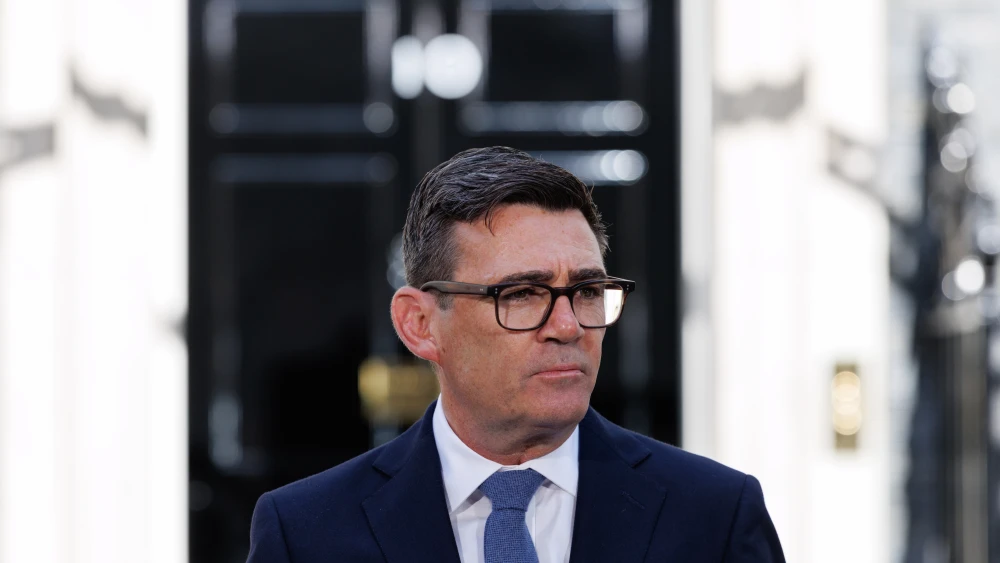
The Times of London reported on Tuesday that Britain’s new prime minister, Andy Burnham, wants to take a stronger position on Israel than his predecessor, Keir Starmer, according to a government source who was not identified by name.
The source expected that a trade ban, as well as sanctions on individuals, will be implemented.
More than 140 Labour MPs, comprising roughly a third of the party, wrote an open letter to U.K. Foreign Secretary Yvette Cooper in June calling to expand the sanctions regime on Israel in response to Jerusalem’s decision to approve construction in E1, connecting the capital to the developed part of Ma’ale Adumim.
“We believe ending trade with settlements is a vital next step and urge you to initiate proceedings to put such a ban into place as soon as possible,” the letter read.
Other Labour Party legislators, however, expressed opposition to the letter.
Labour Friends of Israel released a statement on July 30 warning the British government against taking “any further untargeted steps” beyond sanctioning “violent extremist settlers and organisations.”
It warned that a sweeping trade ban on Israeli communities in Judea and Samaria would affect all Israeli businesses operating in the area, “adversely affecting Israelis living within the state’s borders” and thus de facto becoming a boycott of all of Israel.
It moreover said that the measure could weaken Israel’s opposition parties ahead of the Oct. 27 general election, while also harming the Palestinian Authority economy, which is “inextricably linked” to the Israeli communities in Judea and Samaria.