Ahead of the new school year, which starts in Israel on Sept. 1, the Keren Kayemeth LeIsrael-Jewish National Fund (KKL-JNF) is unveiling five rare photographs that go back nearly a century to classrooms of the past.
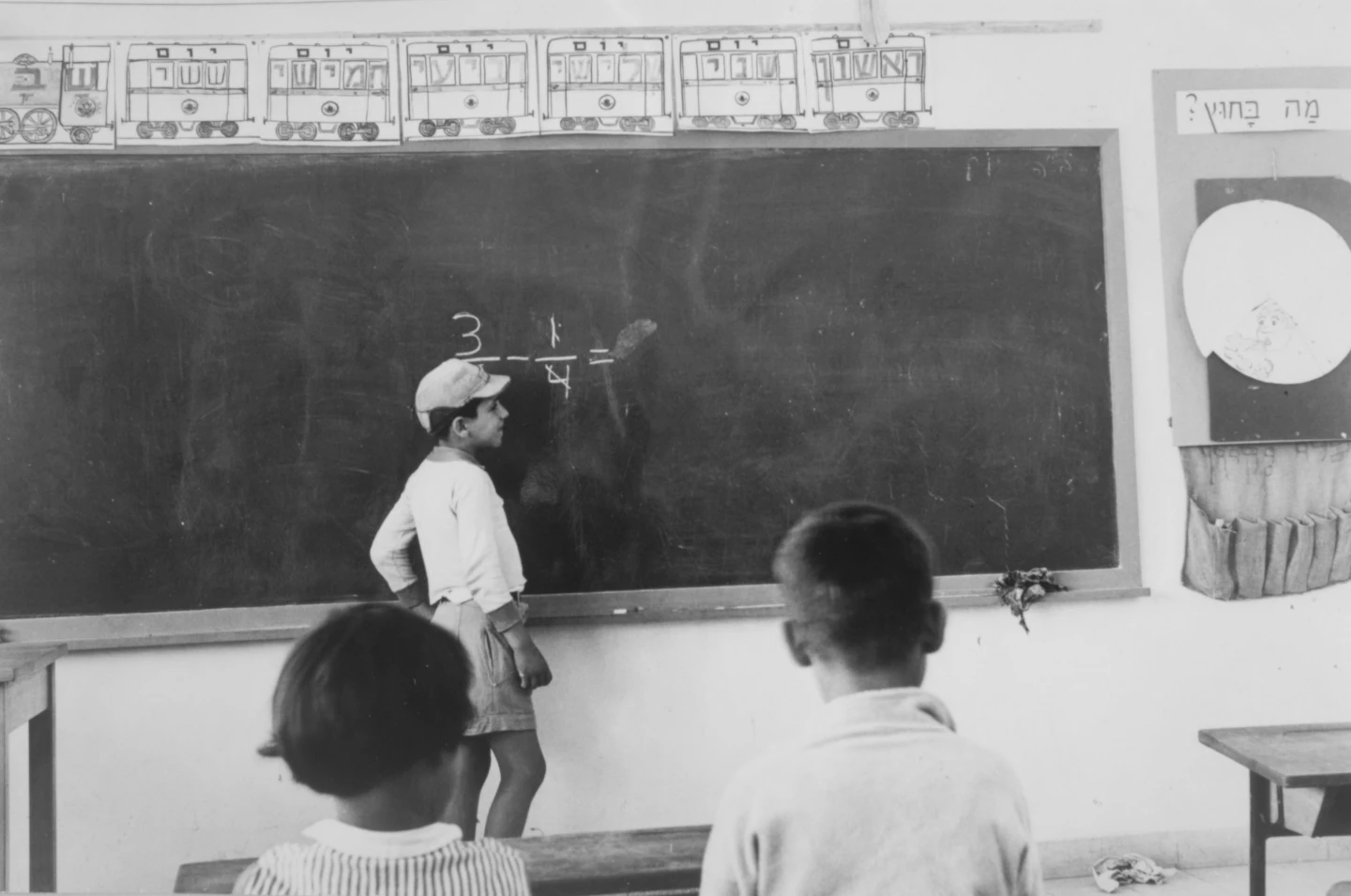
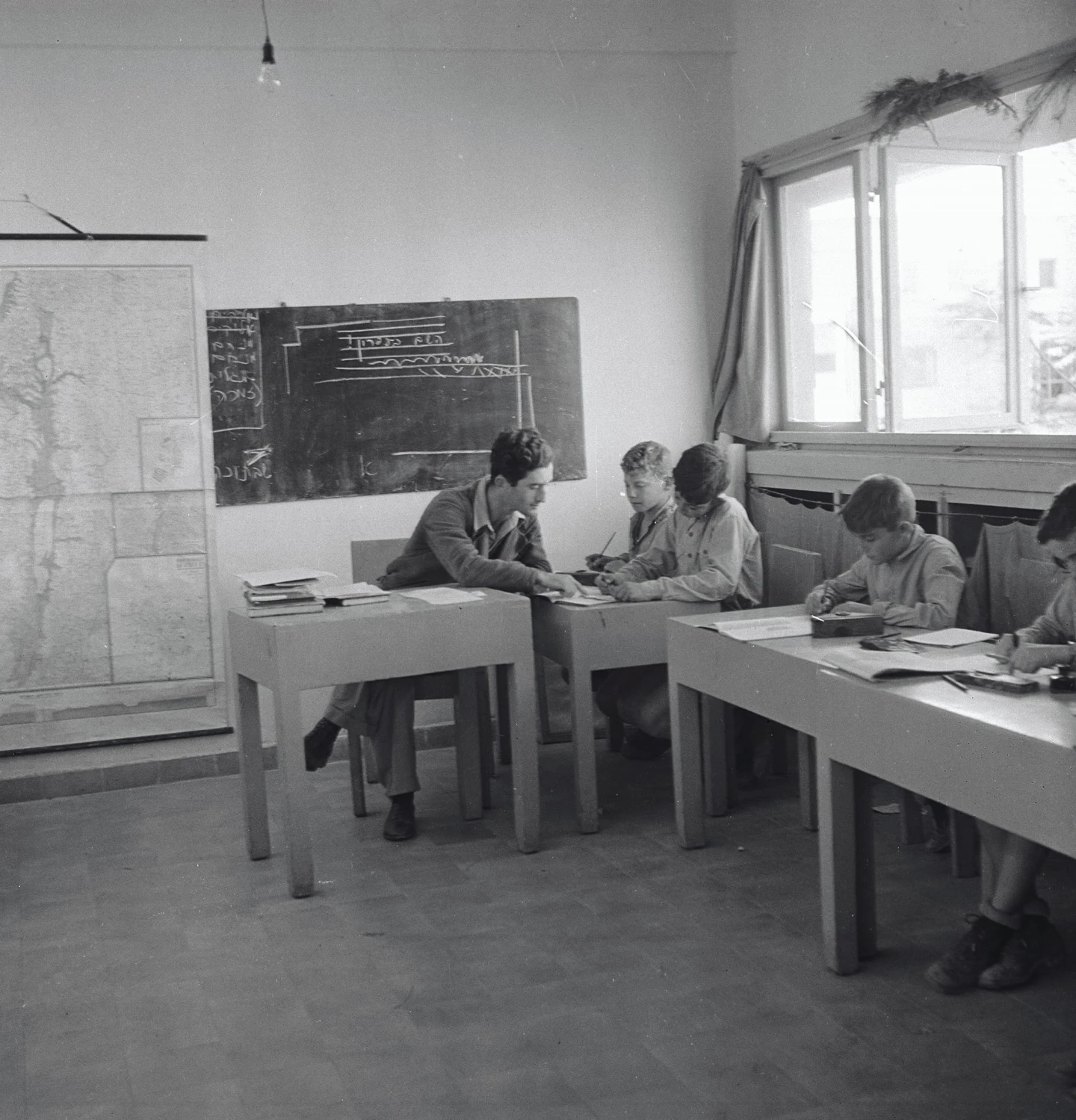
With chalkboards and chalk, books and notebooks, wooden desks and modest classrooms, the images capture education in the land of Israel between 1925 and 1963, long before computers, presentations, smartphones and digital whiteboards.
The earliest photograph in the collection was taken in Kfar Hasidim in August 1925. Instead of a traditional classroom, the children of the moshav are seated in a circle beneath the broad canopy of a tree, listening to a lesson held outdoors in the field.
The simple, almost idyllic scene also tells the story of a period when education, work and nature were closely intertwined in the country’s growing agricultural communities.
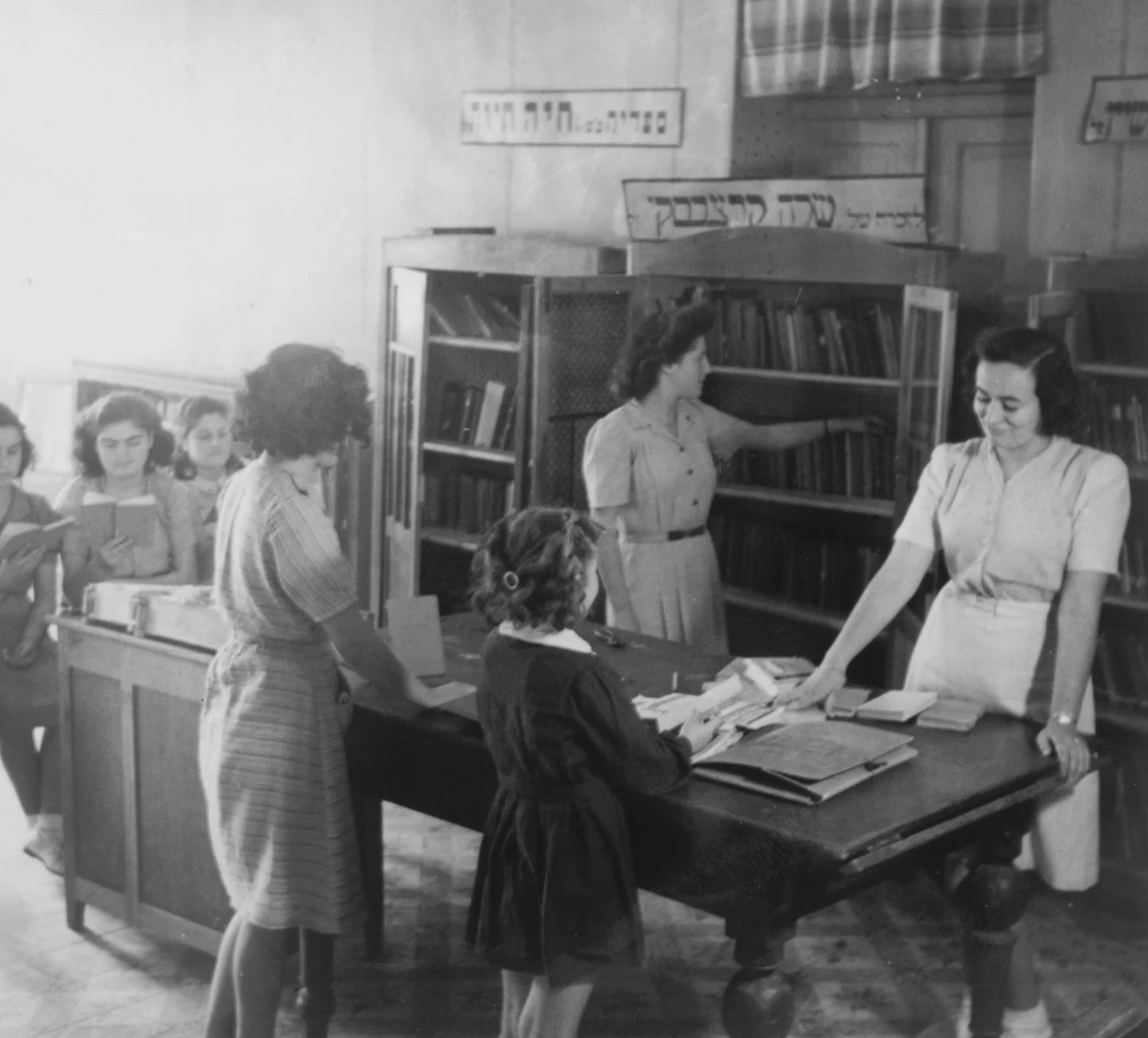
A photograph taken 15 years later, in 1940, captures the library of the Spitzer Girls’ School in Jerusalem, where a student stands beside a table piled high with books.
Another photograph, from 1944, depicts a classic classroom scene in Kibbutz Mishmar HaEmek; however, nearly every detail belongs to a different era.
Two additional photographs revealed date from the 1960s.
One from Tzur Hadassah, in 1961, captures a student standing at the blackboard solving an arithmetic problem in front of her classmates.
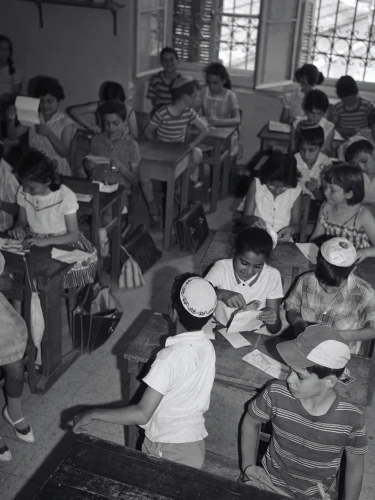
The second, taken in Jerusalem in May 1963, depicts a lively, crowded classroom, where children received letters from their pen pals with whom they regularly corresponded.
The photos are part of KKL-JNF’s historical photo archive, which documents the landscapes of the country, community, education and everyday life from the early 20th century.
Archives director Efrat Sinai says they “allow us to step for a moment into the classrooms of the past and see not only how children learned, but also what the society being built here looked like. Through the blackboard, the books, the desks and even the lesson held beneath a tree, they reveal the deep connection between education, community, and a love of the land.”
It is a privilege, she adds, “to preserve these moments and share them with the public, especially as a new school year begins.”