
For decades, the United States has possessed the world’s most powerful military, capable of destroying armies, command structures and governments with extraordinary speed. But winning battles is not the same as winning wars.
The real test of victory is whether a country achieves the objective for which lives and treasure were spent. By that measure, Washington should be cautious about telling Israel how to confront Hamas, Hezbollah and Iran.
Vietnam should have taught Americans a lesson years ago. More than 58,000 Americans died, yet failed to prevent South Vietnam from falling to communist control. America withdrew, and Saigon fell.
The 1991 Gulf War had the opposite outcome. America set the limited objective of expelling Iraqi forces from Kuwait, accomplished it and stopped.
But Iraq later became another failure. Removing dictator Saddam Hussein from power in 2003 took weeks. What followed lasted more than two decades. Washington envisioned a stable democratic Iraq. Instead came insurgency, sectarian warfare, ISIS and enormous Iranian influence. As America prepares to withdraw its remaining forces, Iran-backed militias, including groups that attacked Americans, remain entrenched. America knew how to overthrow Saddam. It didn’t know how to transform Iraq into the country it hoped for.
Afghanistan followed the same pattern. After Sept. 11, America quickly destroyed Al-Qaeda’s sanctuary and removed the Taliban government that had protected the terror group. America then spent 20 years building a new Afghan state and military. During the U.S. withdrawal, the government and military collapsed almost immediately, and the Taliban returned.
America has spent approximately $8 trillion on post-9/11 wars. Yet terrorism did not disappear. The Taliban and Iranian-backed militias survived; ISIS emerged; the Houthis became a regional threat; Hamas endured; and Hezbollah built a massive non-state missile arsenal.
The failure was not one of courage, but of strategy.
Washington repeatedly assumed that enough security, money and opportunity would eventually make its adversaries think the way Americans do. But trying to force Western thinking onto ideological extremists is like trying to turn a cat into a dog or a lion into an elephant. Their nature is different.
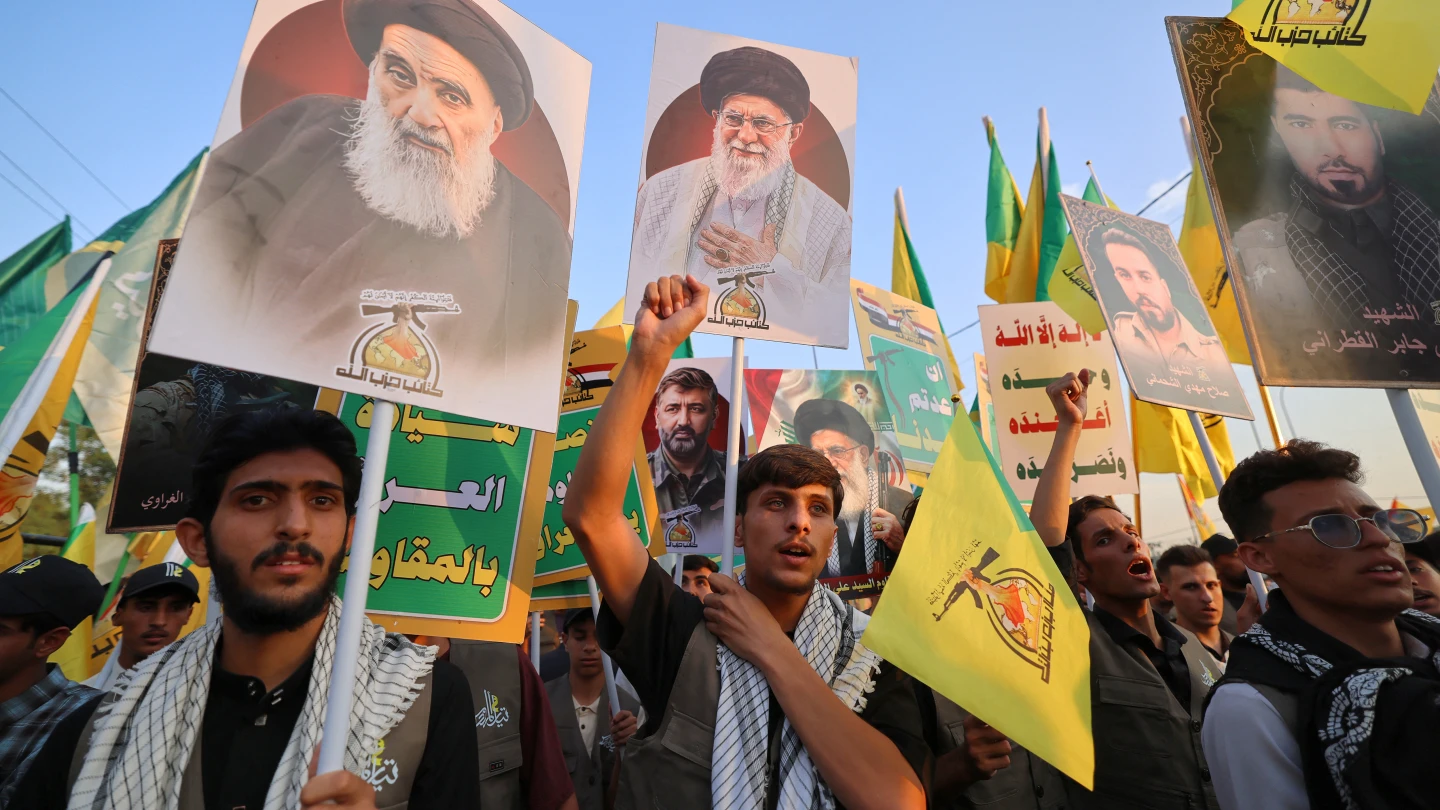
America views conflict through Western incentives. Hamas, Hezbollah and Iran’s leadership view their struggle ideologically.
The difference matters. For ideological extremists, deception, delay, temporary agreements and negotiations can serve a larger objective. A Western negotiator may see an agreement as the destination. An extremist movement may see it as buying time.
U.S. President Donald Trump is learning that lesson firsthand in Iran. After the United States and Israel struck Iranian leadership and military infrastructure, Tehran did not become a Western negotiating partner. Iran continued to use pressure, threats, delays, negotiations and leverage.
While Trump watches Iran play this game, America is pushing Israel toward arrangements dependent on international guarantees, phased withdrawals and various promises involving Hamas and Hezbollah.
In Gaza, Trump’s Board of Peace depends on disarmament commitments while Hamas remains armed on Israel’s border. In Lebanon, Israel faces pressure to withdraw while the Hezbollah threat and Iranian influence remain.
Iran, Hamas and Hezbollah do not need to defeat America or Israel conventionally. They need to survive, wait, regroup and exploit the West’s desire for a deal. But America can miscalculate, spend trillions and eventually go home. Israel cannot. Israel is already home.
If Washington misreads Iran, it pays a strategic price. If it twists Israel’s arm due to American misreading of Hamas or Hezbollah, Israelis could pay with their lives.
Thus, Israel operates differently. It understands something America spent trillions learning: A signed document does not necessarily change an enemy’s ideology. Hamas and Hezbollah are not companies negotiating contracts. Their definitions of victory and tolerance for sacrifice differ. They mark time in generations, not election cycles.
To deal with this, deterrence means making violations cost more than compliance. It means understanding that destroying military capability matters more than another promise of peace.
America should advise Israel. Friends advise friends. But after trillions of dollars, thousands of lives, and war after war that failed to produce Washington’s intended outcome, this is not the moment to lecture Israel or twist its arm.
It’s time for America to learn a thing or two from Israel.