
Have you ever been vulnerable—to the point where you often rely on others for your immediate needs? Have you ever fought through pain and doubt to take control of your mobility and independence?
Until recently, I had no concept of what this meant. But as you read this, I am battling stage 4 colon cancer, and vulnerability has become my reality.
Though I am blessed with the hope and light of many strong days, I am often overwhelmed by the fear and darkness of my weak days. As the cancer and chemotherapy battle within me, my body does not respond when given even the simplest commands, and I am completely dependent on others, especially during fits of pain that I cannot begin to describe.
And yet, I feel empowered.
After years of telling the awe-inspiring stories of heroic families living with and touched by disability, I finally understand what it means to be vulnerable. It is no longer just a word; it is a learned experience and a badge of honor.
I finally have a window into the struggles of our residents and students. I finally understand the doubts that haunt our rehabilitation patients. I also have a deeper appreciation for the truly unique home and supremely supportive family we have created at ADI—a disability rehabilitation, education and care in Israel.
When you are vulnerable, loving and personalized support is everything. More than ever before, I marvel at the wonderous ways that our dedicated professional staff and passionate volunteers envelop our ADI family members in the kind of care that calms their fears, highlights their strengths and gives them the tools they need to move forward in the same way that my own family is now caring for me.
As I endure the indignity of my physical limitations, clash with the mental fog of “chemo brain,” and grapple with a slight loss of identity, I am also gaining the gift of true perspective, and I am so grateful. While I don’t wish this excruciating experience on anyone, I desperately want to share the accompanying extreme enlightenment with everyone.
As a first step, I urge you, dear reader, to open your mind and expand your heart by committing to the following perspective-shaping principles:
Reflect on the “reality of disability.” Every one of us will be touched by disability in our lifetimes simply because we are human; therefore, treat those who are vulnerable with acceptance and respect, as you would want anyone to treat you and your loved ones.
Engage the senior residents of your community and ask them if they need assistance, and if so, exactly how they would like to be helped.
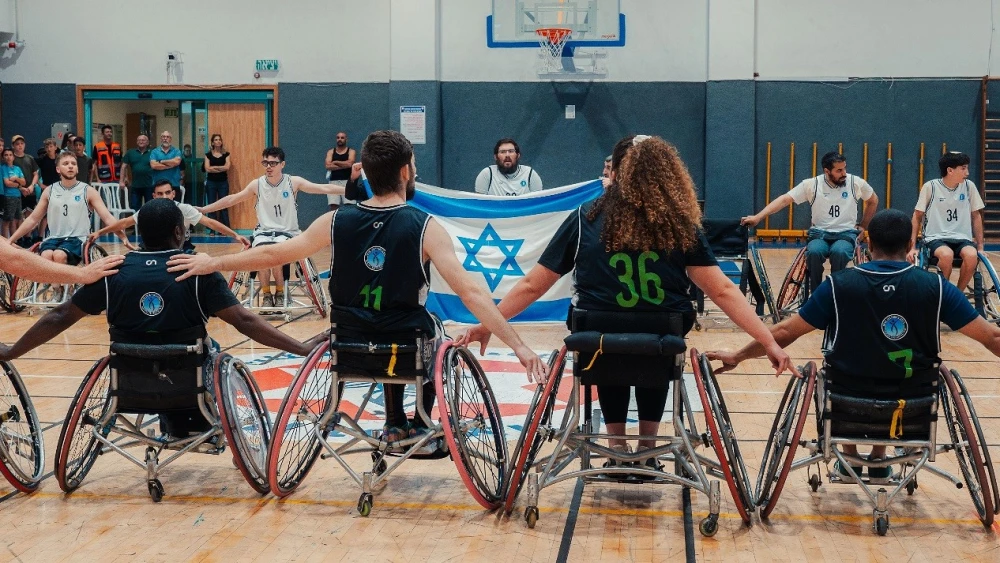
Give priority to wheelchair and walker users on walkways and in elevators.
Acknowledge wheelchair and walker users if you choose to overtake them while walking or riding a bike. They are people, not impediments, and they deserve your deference.
Respect seats and parking spaces designated for individuals with disabilities, and do not occupy them even for a minute. These are not just spaces but crucial disability resources and hard-earned social capital.
Recognize that the world is a very inaccessible place and do what you can to change this unjust reality, starting with your local synagogues, supermarkets and schools.
Consider how joyful life could be if we all chose kindness as our default.
Whether we are born with a condition, have an accident, battle disease or are lucky enough to take on old age, we will all face disability head-on. If we honor the reality of our shared humanity, we will navigate our own challenges with grace, start to see the world through compassion-colored glasses and be blessed with the precious opportunity to change it for the better.