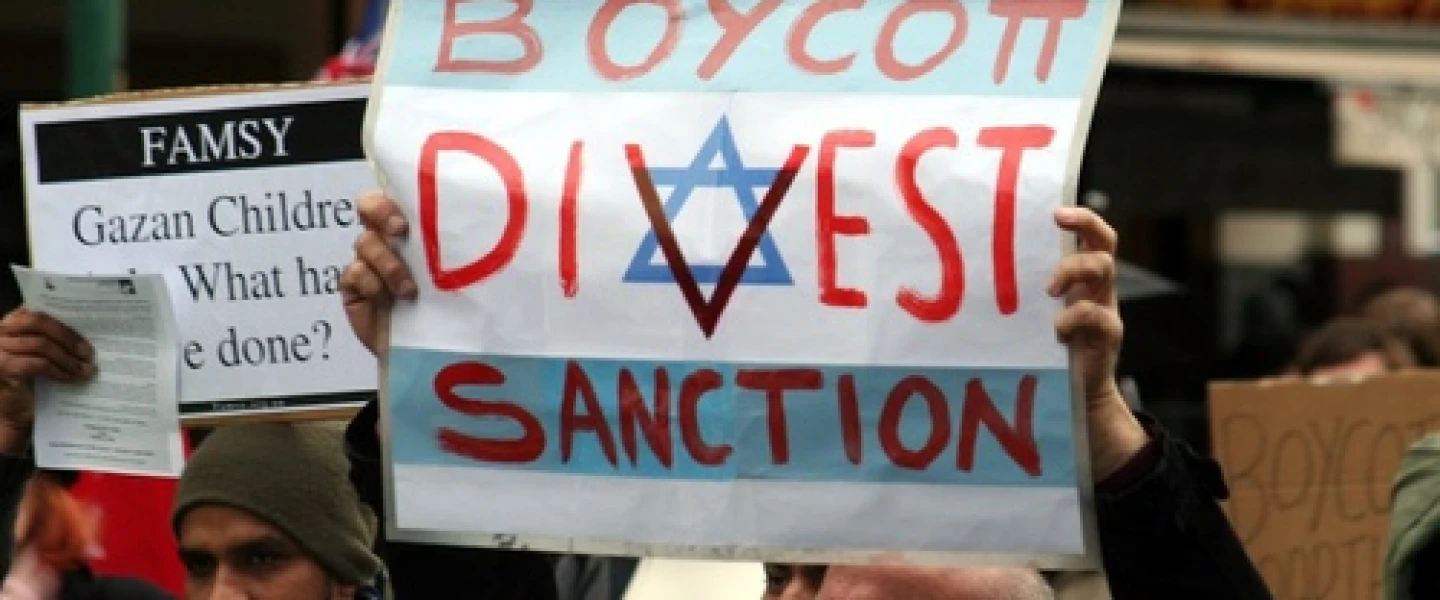

William Shakespeare’s “The Merchant of Venice” may be one of the most antisemitic plays in history, portraying the Jewish character Shylock as a bloodthirsty man demanding a literal pound of flesh from his victim. The play echoes every vile stereotype that would be weaponized against Jews for centuries.
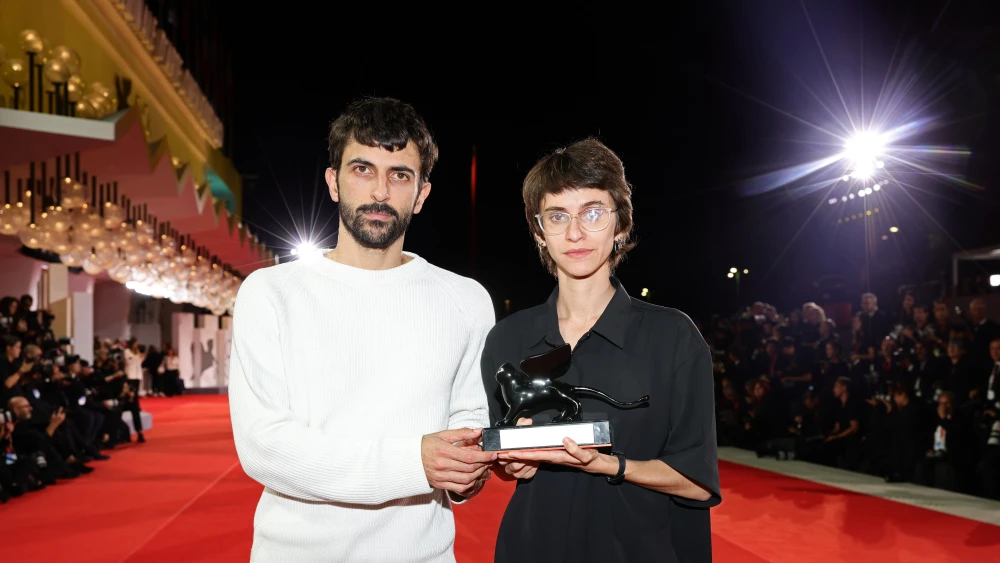
It is hardly surprising, then, that a modern iteration of such propaganda—the documentary “NAZA,” directed by self-hating Israeli filmmakers Yuval Abraham and Rachel Szor—was awarded the Special Jury Prize at the Venice Film Festival on Saturday.
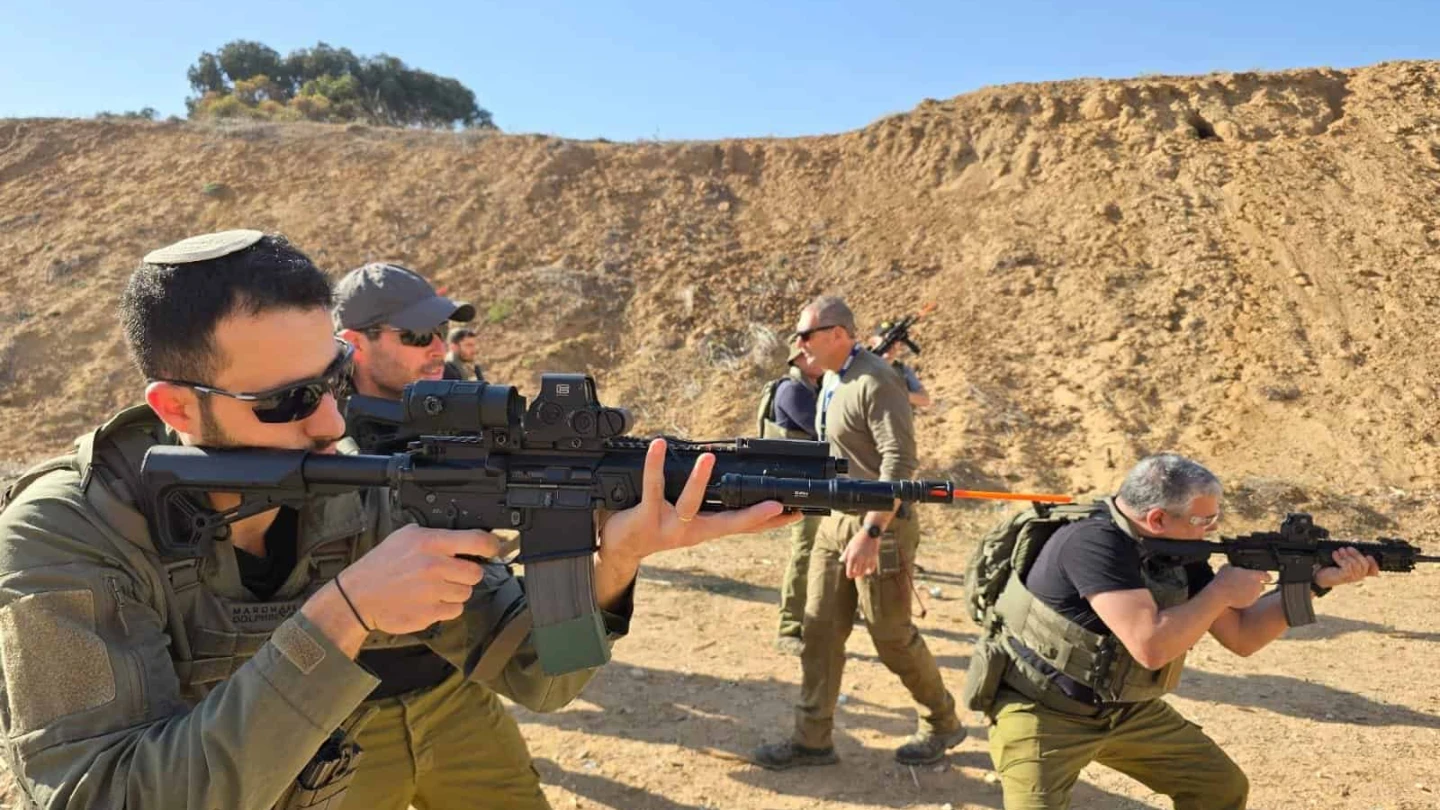
The Israeli Defense Forces is the most moral army in the world. In fact, if there is anything immoral about its conduct, it is the absurdly “moral” way it treats its deadliest enemies—bloodthirsty terrorists—with a level of restraint that comes at the direct expense of our own soldiers’ lives.
After Oct. 7, when 1,200 men, women and children in southern Israel were brutally slaughtered by Hamas and other Palestinians—and another 251 taken hostage—virtually any other nation on earth would have responded with unchecked, overwhelming force. Yet throughout this war, the IDF has gone to unprecedented lengths to minimize non-combatant casualties.
While Hamas embedded itself within civilian infrastructure, IDF field commanders were flanked by legal advisors scrutinizing nearly every strike. Israel continued—and continues—to facilitate the provision of vast amounts of humanitarian aid, food and fuel to Gaza, much of which is promptly stolen by Hamas.
The ultimate tragic irony is that Israel’s hyper-moral posture has cost the lives of its own soldiers. Holy IDF fighters have been repeatedly dispatched on foot into booby-trapped structures, risking and sacrificing their lives in close-quarters manual sweeps to ensure no civilians are inside rather than neutralizing the threat safely from the air.
To accuse such an army of systematically committing atrocities is not just a lie; it is a modern blood libel.
This is not a theoretical debate; it is a painful reality written in the blood of our fallen boys. A close friend of mine lost his nephew precisely because of this policy. His nephew was sent to clear a rigged building on foot to verify there were no civilians harmed, only to be killed by an explosive device. These are the sacred young men whom Yuval Abraham and Rachel Szor choose to defame in European cinemas.
Somehow, I don’t recall Abraham and Szor making a film about the 2025 Suwayda massacre, in which Druze civilians were brutally slaughtered by Syrian militias. This was a tragic conflict where the only force offering real humanitarian and medical assistance was the IDF. Nor do I see them pitching a documentary on the tens of thousands of Ukrainian civilians slaughtered by Russia.
Does human suffering only merit a red carpet in Venice when the perpetrators can be falsely painted as Israeli soldiers?
This is not merely an isolated display of self-hatred on the international stage; it receives direct validation from the Israeli political establishment. Prominent figures on Yair Golan’s Democrats Party list, such as former Knesset members Mossi Raz and Gaby Lasky, were quick to publicly praise the film, with Raz celebrating Abraham and Szor’s “important work.”
Even more revealing is the deafening silence from Yashar Party head Gadi Eisenkot. A former IDF chief of staff leading a joint electoral enterprise alongside Golan, Eisenkot has not uttered a single word condemning the film.
With Israelis heading to the polls this October, voters must recognize the stakes: Voting for Eisenkot would empower a coalition whose prominent members openly support films that defame the very soldiers who protect our nation.