This month, the Jewish people lost another hero.
Maj. (res.) Harel Birenstock, 34, a graduate of our Neveh Shmuel Yeshiva High School, fell in Lebanon in defense of Israel, leaving behind his wife and four children. Some of his children held teddy bears at the Aug. 6 funeral of their father.
I have not been able to get that image out of my mind.
I did not know Harel personally; the same goes for many of the other 26 alumni we have lost from the network of schools and institutions that I oversee. I am getting to know their families, and I do know what kind of people they were, what values they held and how they willingly gave everything for the State of Israel for their children’s future. Their lives are a reminder of the kind of people that our educational system is trying to shape.
Shortly after Harel’s death, Knesset member Chili Tropper, himself a graduate of Neveh Shmuel, which has lost 13 alumni, reflected on the heavy price his alma mater has paid. “It is doubtful whether there is another educational institution that has lost so many of its graduates in the ‘Iron Swords’ war,” he wrote.
He described the selfless actions of the fallen graduates: those who ran into Kibbutz Be’eri on Oct. 7, 2023; those who returned to service after being wounded; those who repeatedly left their families to serve in the reserves. While much of who a person becomes is shaped at home, Tropper noted, “this spirit also has roots in the school these special graduates attended.”
A great deal has been broken, but brokenness need not be the end of the story.
As we prepare to begin the fourth school year since Oct. 7, there is certainly a place for the conversations we often hear in Israel about what our educational system lacks. And yet, in these painful recent years, we are also witnessing what it has produced: a generation that understands responsibility, service and commitment not as abstract values, but as something larger than themselves—men and women who are anchored strongly enough in their identity to act with courage and moral clarity when it matters most.
It is the result of their family and their upbringing, as well as an education that does more than just transmit knowledge. It is education that prioritizes responsibility over self-interest, connects learning to lived action and insists that Torah is not just something to study, but something to live.
This kind of education does not remain in the classroom. It creates lived experiences of responsibility through acts of chesed (“lovingkindness”) through meaningful engagement with broader Israeli society and a willingness to confront difficult questions rather than avoid them.
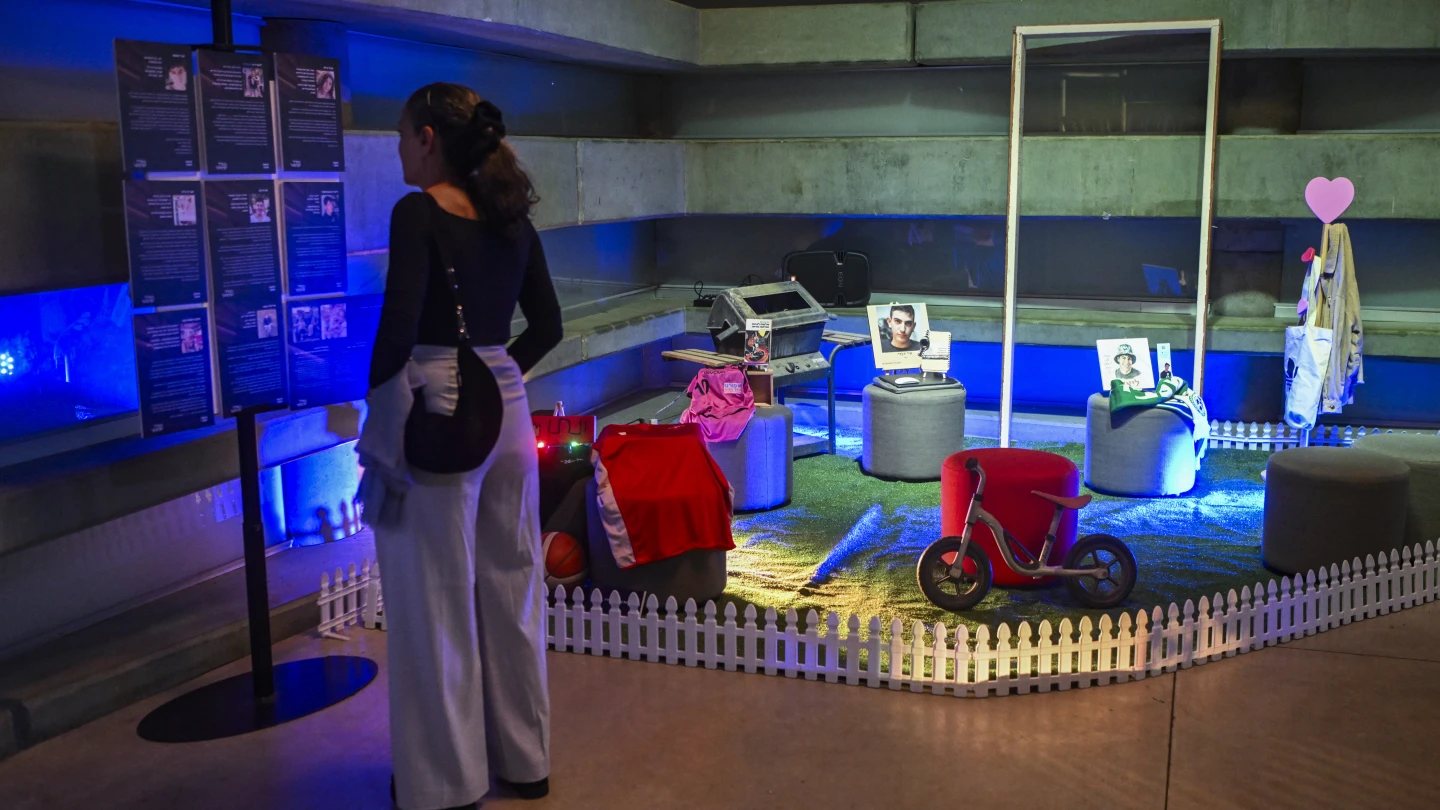
I have also seen the power in schools honoring those who have fallen, processing both their loss and the contributions they have made. On some level, this happens organically with the rituals this generation has developed to honor those who have fallen, including the creation of stickers containing the photos and inspiring quotes of fallen soldiers. But schools are creating frameworks for learning about fallen alumni, especially for those students and faculty who did not know them personally: dedicating events in their memory; assigning projects about them and keeping their stories present in school life through photographs, memorial exhibits and recollections.
At the same time, this generation, as well as their parents and teachers, are carrying an extraordinary burden. Constant loss, prolonged uncertainty and the disruption of everyday life are taking a real toll. Schools must also recognize and respond to the real emotional and psychological weight that their students, their families and faculties are bearing, creating spaces where grief, anxiety and trauma can be acknowledged and addressed.
In many cases, providing access to counseling and emotional support is not a luxury but a responsibility, one that can enable students and faculty to cope and continue growing despite trauma. Mental-health challenges must be acknowledged openly so that those who are struggling feel able to seek help and are supported when they do.
A great deal has been broken, but just as with the shattered luchot in the Torah, brokenness need not be the end of the story. The second, complete set of luchot emerged from the experience of the first ones; we, too, must learn from what has been broken as we strive to rebuild.
Perhaps most strikingly, it is at times like these that the engagement between generations becomes clearer. For even as we speak about educating the next generation, they have been educating us—through their actions, their sense of duty and their willingness to sacrifice.
The image of Harel’s children at his funeral is unbearable, and it will remain so. But alongside the pain is the knowledge that this generation did not emerge by chance. It is the product of homes and education that taught responsibility, service and an obligation to the larger narratives of Am Yisrael, Medinat Yisrael and tikkun olam.
Our responsibility now is to ensure that we continue to nurture that kind of education with the same seriousness and inspirational commitment that this generation is already showing.