
Imagine a gathering at Ground Zero on Sept. 11 glorifying the perpetrators. Imagine a rally outside the Bataclan on Nov. 13 praising the gunmen or a Manchester Arena anniversary honoring the bomber. We would recognize the outrage immediately: A day belonging to the murdered has been appropriated by those who dignify their murderers.
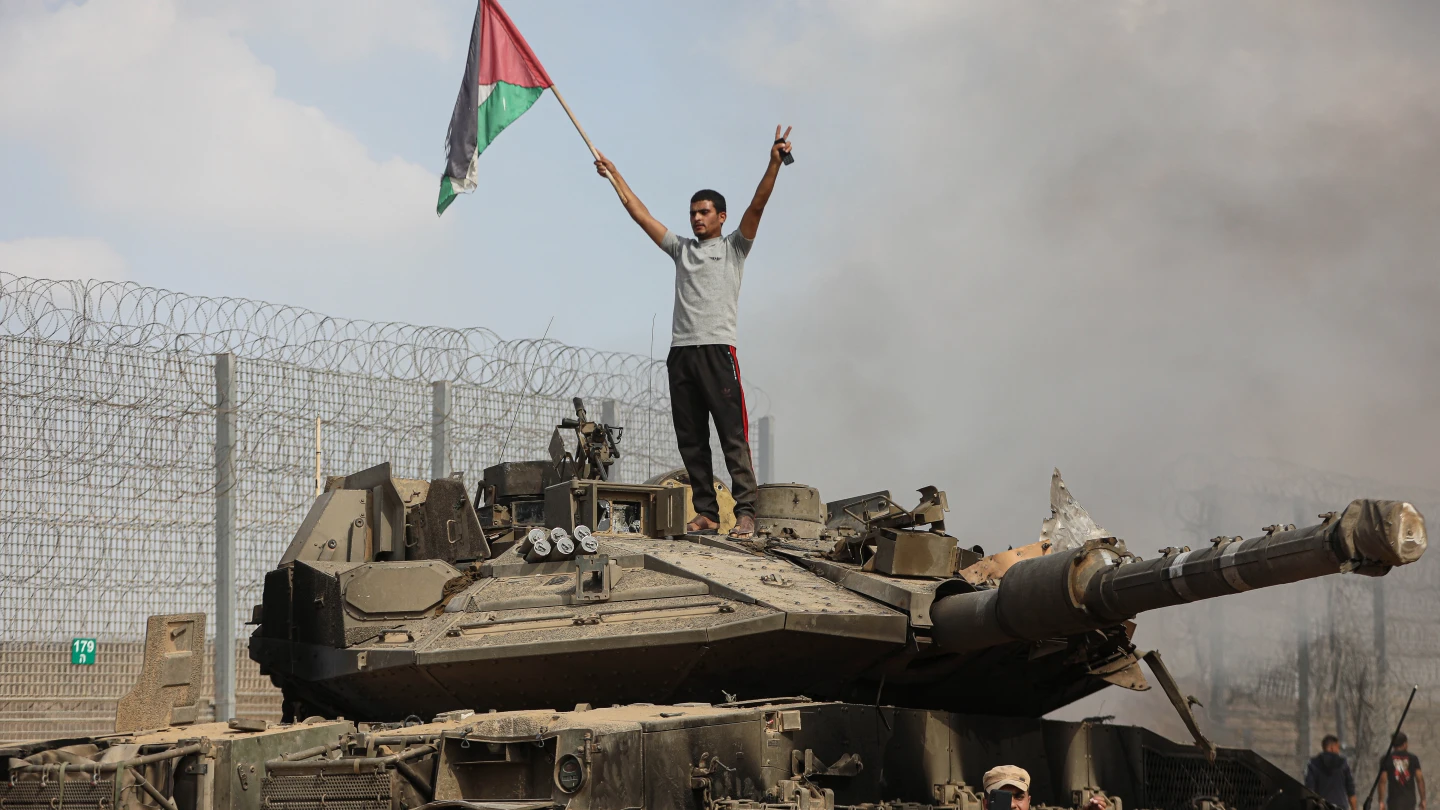
As Israel and Jewish communities prepare to mourn Oct. 7, that danger is again before us. The Hamas-led terrorist attacks in southern Israel on Oct. 7, 2023, killed roughly 1,200 people, including babies, children and elderly civilians. They raped, butchered and murdered innocent civilians. Entire families were destroyed. Yet where the anniversary is repackaged as an achievement of “resistance,” the victims lose even their place in the story.
This is the second hijacking of Oct. 7: the seizure of its memory.
A report published by Israel’s Ministry of Diaspora Affairs, Global Protests: October 7, maps 262 international demonstrations around the anniversary across 37 countries, including events linked to universities. The language of particular organizers reveals the moral problem.
In Toronto, a student-organized Oct. 7 vigil called “Honoring Our Martyrs” is advertised with “three years of genocide.” A separate screening in the student commons at the University of Toronto is titled “The Gaza Ghetto Uprising.” Framing Oct. 7 exclusively through Palestinian suffering makes the murdered Israelis disappear from the commemoration of the very day when they were killed in a wild spree. It amounts to an erasure of history and a political manipulation of global public opinion.
Elsewhere, the inversion is explicit. An announcement for London’s Oct. 7 inter-university march describes that date as “only the most recent form of genocide inflicted on the Palestinian people.” The day Hamas attacked Israel becomes a crime committed against Palestinians. The Anti-Defamation League documented a protest sign at Columbia University on the first anniversary declaring “Long Live the Al-Aqsa Flood; Glory to the Resistance.” Here, Hamas’s name for its assault becomes a slogan of celebration.
This is how language can turn perpetrators into victims and massacre into liberation. Its appearance among university students makes it especially disturbing. Education should sharpen the capacity to distinguish a political grievance from a justification for murdering civilians. When intellectual sophistication supplies excuses for atrocity, it becomes moral bankruptcy with an academic vocabulary.
When Israeli deaths invite celebration while Palestinian deaths command universal outrage, the principle of equal human worth has been abandoned.
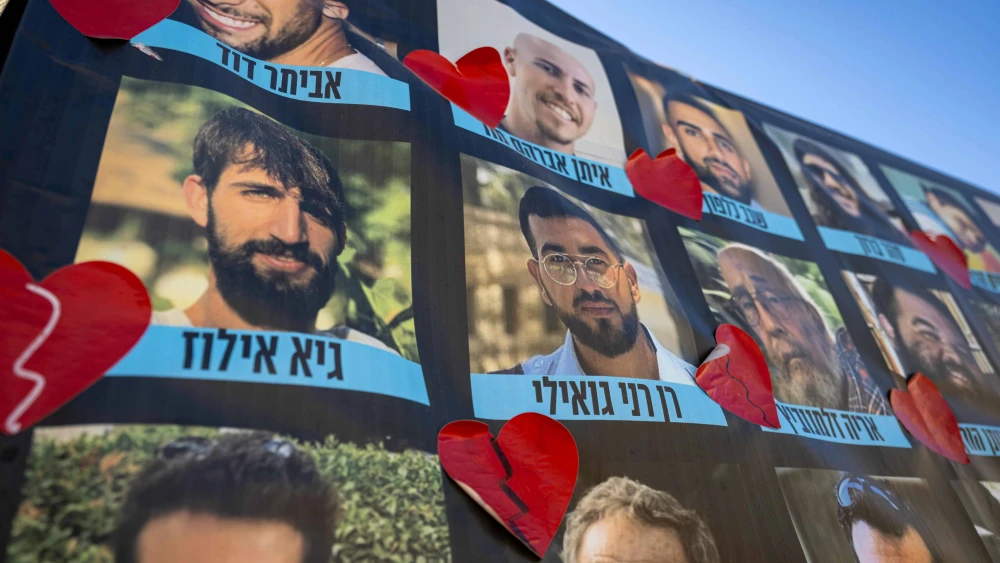
The hostages expose what this narrative suppresses. Hamas and other attackers took 251 people—Israelis and foreign nationals alike—into Gaza, including the bodies of those already killed. The October 7 Parliamentary Commission records 43 deaths among those taken alive. These deaths had different circumstances; documented murders include six hostages shot by Hamas in a Rafah tunnel. The final 20 living hostages returned on Oct. 13, 2025, after 738 days in captivity.
What nation should abandon its abducted citizens? Hamas could have released them immediately and surrendered. Instead, it kept Israeli hostages as bargaining instruments while subordinating Palestinian lives to its political and military aims. Those choices prolonged the conflict. Any account of Palestinian suffering that erases them obscures Hamas’s responsibility for the attack and its decision to prolong the hostage crisis.
Hamas’s own leadership supplied a revealing vocabulary. In October 2023, Ismail Haniyeh described the blood of Gaza’s women, children and elderly as necessary to awaken revolutionary resolve. He also invoked what he called a “new Holocaust.” Palestinian suffering became both a resource for struggle and a weapon of historical accusation.
“The Gaza Ghetto Uprising” draws on the memory of Jewish resistance to Nazi extermination. Applied to Oct. 7, that association risks giving Hamas’s assault the moral stature of the Warsaw Ghetto uprising, while casting Israel in the Nazi role. That is a profound distortion of history. Europe’s Jews were persecuted because they were Jews. They were neighbors, workers, scholars and children, not a military threat whose attack had precipitated a war.
The Holocaust was a systematic project to annihilate the Jewish people, in which 6 million Jews were murdered. Its history cannot be reduced to imagery available for any political accusation. The suffering of Palestinian civilians does not justify appropriating Jewish catastrophe to sanctify those who massacre Jews.
The International Holocaust Remembrance Alliance’s (IHRA) working definition of antisemitism identifies Nazi comparisons as a possible example of such Jew-hatred, assessed in context, while protecting criticism comparable to that directed at other countries. Natan Sharansky’s “three Ds” framework, encompassing demonization, double standards and delegitimization, helps explain the inversion. When Israeli deaths invite celebration while Palestinian deaths command universal outrage, the principle of equal human worth has been abandoned.
Hamas kidnapped human beings. Those who glorify the Oct. 7 assault attempt a second seizure: of public memory and the moral language through which the world judges it.
When educated Western voices legitimize that rhetoric, they help make antisemitism respectable under the banner of liberation. The appropriation of Holocaust memory completes the reversal: Jewish suffering is turned into an accusation against Jews, while their killers acquire the language of resistance.
Where this rhetoric prevails, Oct. 7 ceases to be a day on which the murdered are remembered as people and their killers are held accountable. History is being rewritten when victims are recast as perpetrators.