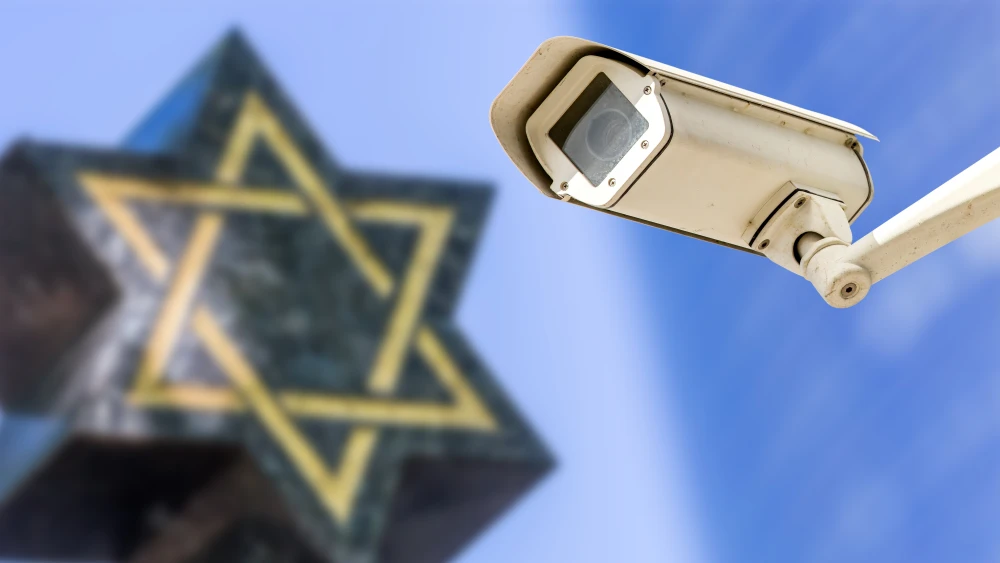

Some European Jewish leaders are now calling for Europe’s Jews to be granted “special protected minority status” with a legal “metaphorical fence” placed around Jewish communities, institutions and religious practices.
The concern behind this proposal is understandable. Antisemitism is rising; synagogues and schools require heavy security against awful, violent attacks; and many Jews feel far less safe than they did a generation ago. Governments have an absolute duty to respond.
But there is a profound difference between protecting Jewish citizens and placing them in a separate legal category. The former is the basic duty of a democratic state, true for all citizens. Moreover, European governments should be tackling the root causes of this hatred and violence, instead of just dousing the Jewish community with funds to build iron walls and hire security personnel.
Yet granting Jews minority status is a grave mistake, too. It will take Europe backwards. Jews have spent centuries struggling to escape literal and legal ghettos and be accepted as equal citizens. It would be a bitter irony if, faced with hatred once again, Jewish leaders now asked Europe to construct a new fence around us.
The answer to antisemitism is not special treatment, but equal treatment properly delivered. When a synagogue is attacked, the police should act. When Jewish pupils are intimidated, schools should intervene. When mobs threaten Jewish citizens, the law should be enforced without fear or favor. Governments cannot outsource their failure to maintain public order just by offering Jews money for thicker doors, higher walls and a more comfortable bunker.
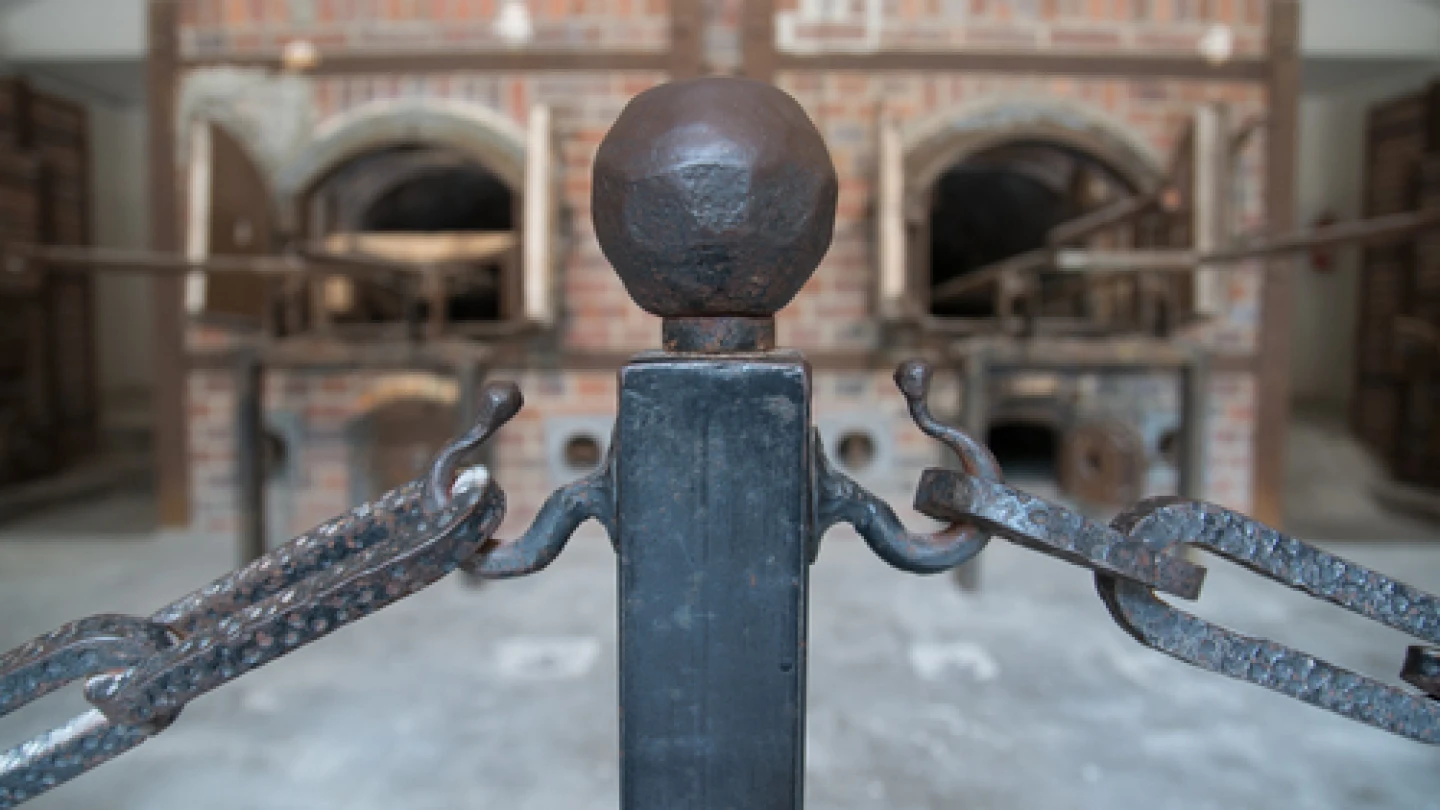
We, as a community, also have to adopt a different attitude: one of confidence, not of pleading to be granted minority status. A community that speaks about itself chiefly through persecution sees itself as a victim, shrouded in gloom. Jewish children need to know about the Holocaust and the terrorist attacks in Israel on Oct. 7, 2023, but neither can become the sum total of Jewish identity.
If all we offer the next generation is a lachrymose list of those who hate them, we should not be surprised when some decide that Jewish life is an inheritance they would rather decline.
This is where the Conference of European Rabbis has offered a different model.
Founded after the Holocaust to rebuild Jewish religious life across a devastated continent, its work, groundbreaking for Jewish advocacy organizations on the continent, has never been confined to memorials or condemnations of antisemitism. It trains and supports rabbis, strengthens communities, defends Jewish education and protects the practical foundations of Jewish life, including brit milah and shechita. Its central question is not simply how Jews died in Europe, but how Jews can live there proudly.
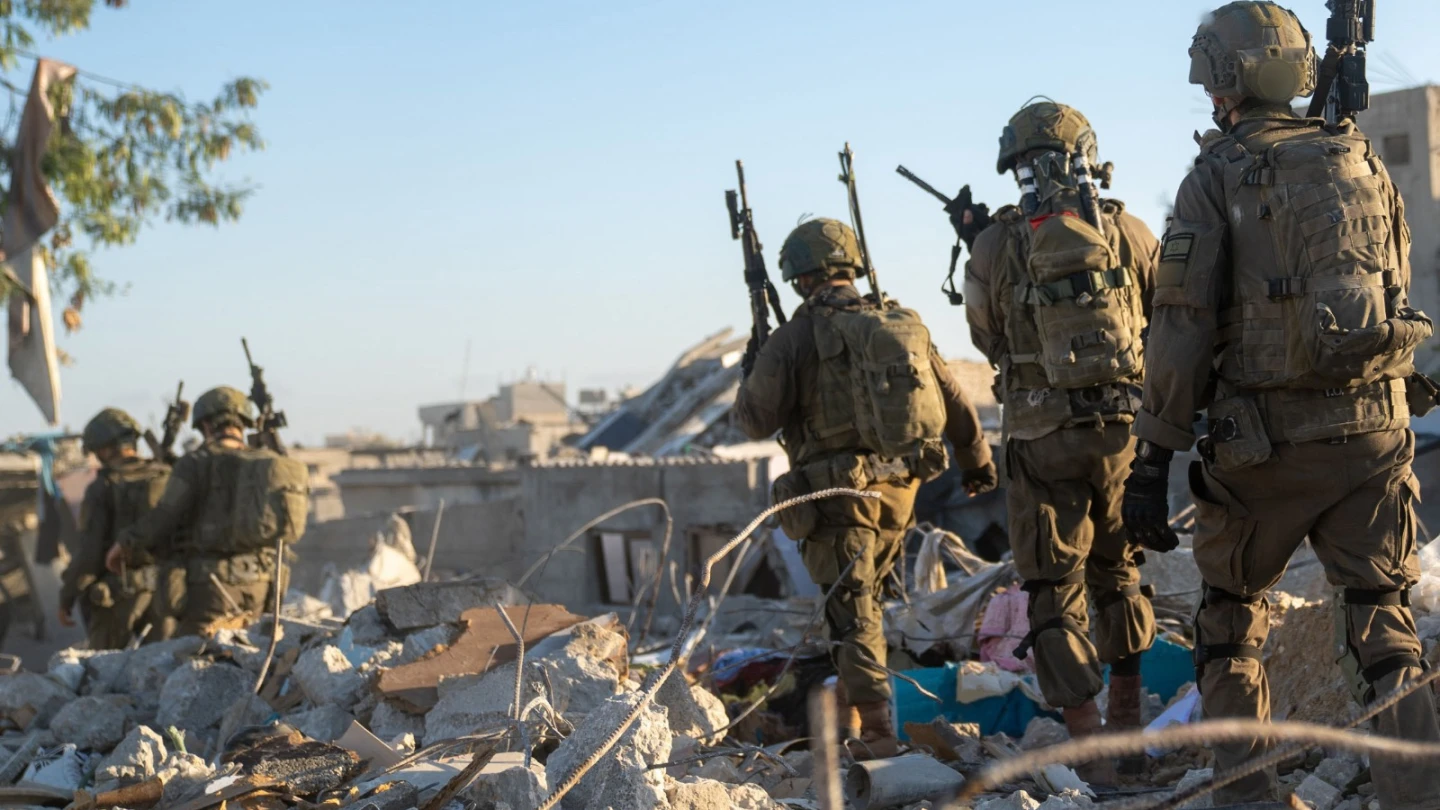
Israel’s response to Oct. 7 has reflected the same instinct. There has been grief and remembrance, trauma and irreparable loss that will impact generations, but there has also been a fierce determination to return, rebuild and live.
The promise that “we will dance again” captured something profoundly Jewish, far more than any memorial statement. We honor the dead—those butchered in the most horrific pogrom since the Holocaust—not by living permanently at the graveside but by ensuring that those who sought to destroy Jewish life do not get to define it, and that as Jews we remain active and proud.
Judaism has survived because it offers faith, family, learning, discipline, moral responsibility and the courage to be different—all positive features. Our children need a positive reason to choose Jewish life in a world of endless alternatives.
Europe has an antisemitism problem that runs far broader and deeper than the physical protection of synagogues and schools, and Europe must address it urgently. Still, we should reject the language of permanent minority victimhood.
We did not spend centuries escaping the ghetto only to ask for a new one. The future belongs to Jews who stand upright, practice proudly and build while remaining ordinary citizens, equal before the law.