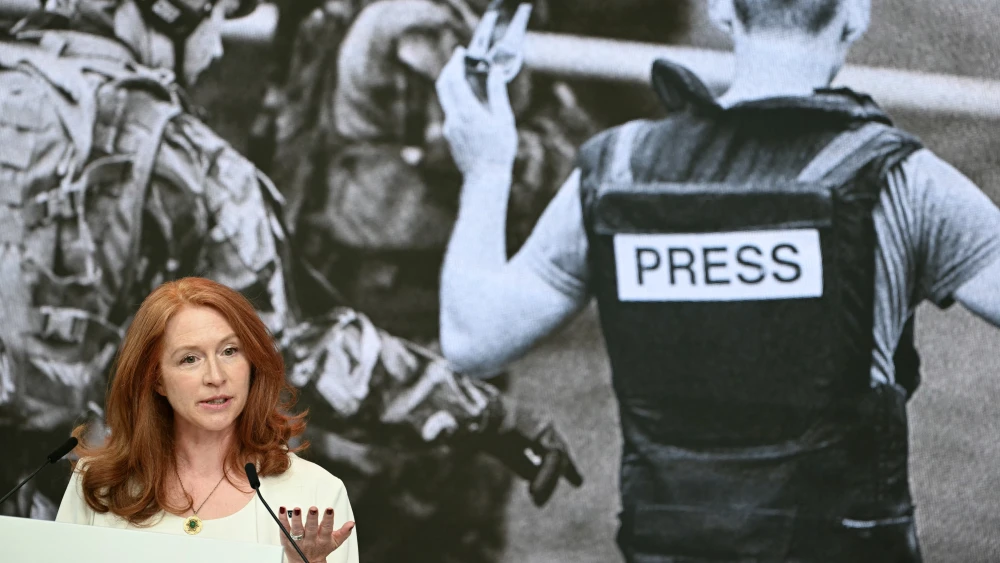

When the Committee to Protect Journalists board met this summer to weigh its definition of who counts as a journalist, the vote overwhelmingly ended up 17-1 in favor of retaining the current definition, with the Fox News representative dissenting. Jacob Weisberg, chairman of CPJ’s board of directors, then rejected claims that CPJ planned to narrow its definition to exclude Palestinian and Lebanese media workers killed in the ongoing wars with Israel.
Understand what that vote was and what it was not.
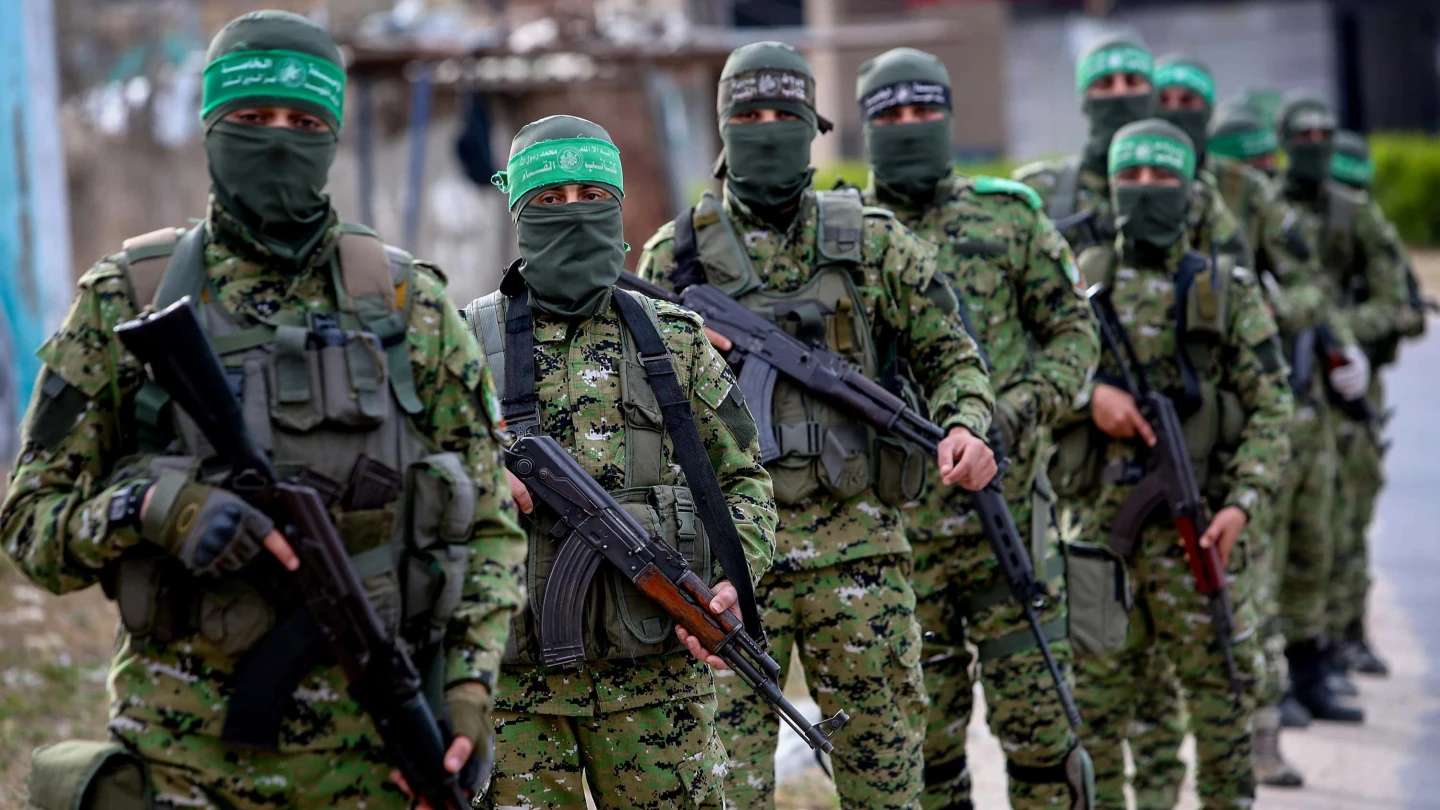
CPJ did not vote to count active combatants as journalists. Days earlier, it had announced a full review of its Gaza database after Hamas and Palestinian Islamic Jihad published formal martyrdom notices identifying individuals CPJ had cataloged as reporters. Twenty names came off CPJ’s list of journalists, eight of them established combatants. CPJ’s CEO Jodie Ginsberg rightly condemned the misrepresentation. Those initial removals showed an organization attempting to correct its records.
However, CPJ announced that it would complete and publish its full database review by the end of July. That deadline has come and gone, without publication, leaving the organization’s list and methodologies under a cloud.
The problem is not CPJ’s mission; it is within its remit. It defines a journalist as anyone who regularly covers news or comments on public affairs through any medium to share fact-based information. Under its policy, employees of state-backed outlets and faction-linked organs qualify, provided they are not actively fighting or inciting imminent violence. Each clause may sound defensible in isolation. Together, they create a category with no operational edge.
As The Wall Street Journal noted, of the first 192 people on CPJ’s wartime list, 26 worked for Hamas-run Al-Aqsa TV; 19 for outlets run by Palestinian Islamic Jihad; and seven for affiliated militant broadcasters. More than a quarter drew paychecks from a belligerent’s institutional information apparatus.
Then comes the verification barrier.
CPJ requires two independent sources to list someone as a journalist, but outside researchers have not operated independently on the ground in Gaza. Sourcing inevitably draws from local networks and faction-influenced administrative registries. Fighting media bans in court does not change the epistemic reality: Remote vetting cannot reliably distinguish between a cameraman, a media-relations officer for an armed battalion and a partisan operative.
International humanitarian law already protects non-combatants. A propagandist who never takes up arms remains a civilian, and unlawful targeting of civilians is prohibited. CPJ does not need an all-encompassing definition of “journalist” to insist on humanitarian protections. By folding partisan apparatus workers into a singular, unnuanced casualty figure, the organization gains nothing under the Geneva Conventions while diminishing its credibility.
Gallup finds American trust in mass media hovering at 28%. To a public already skeptical of newsroom objectivity, CPJ’s removal of eight confirmed fighters while preserving an elastic definition, all while delaying the promised audit report, looks less like rigor and more like an institution grading its own exam.
The remedy is disclosure and structural disaggregation. Publish the completed review. Segment the figures into clear, transparent tiers: accredited staff correspondents, independent local freelancers and employees of faction-controlled information networks.
CPJ holds one irreplaceable asset: the presumption that its figures are conservative, verifiable and above partisan spin. A 17-to-1 vote to maintain a boundary-less definition, followed by an overdue accounting, spends that currency to win an internal procedural debate.
News credibility endures only when journalism monitors its own craft with uncompromising rigor. That standard is only as credible as the discipline behind it.