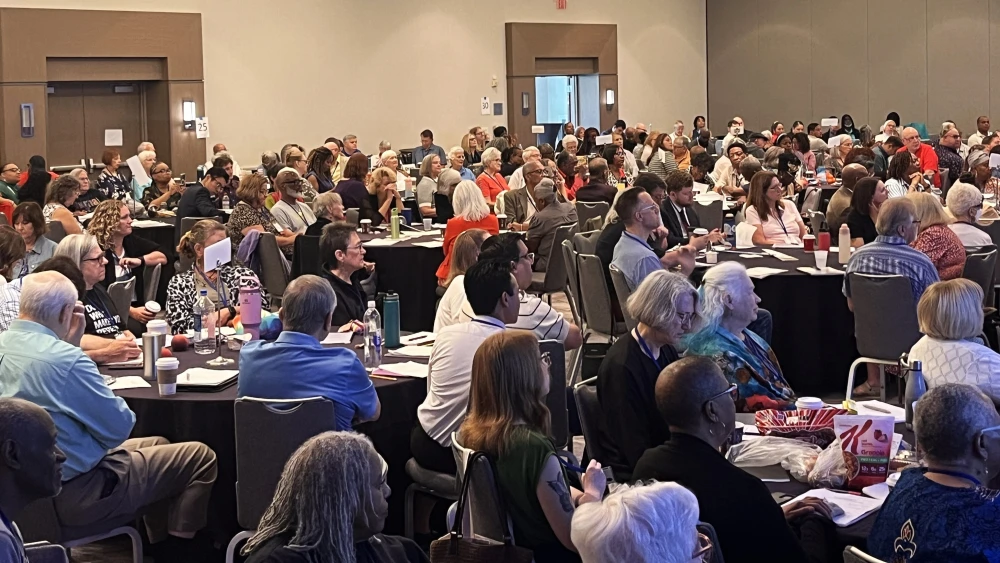
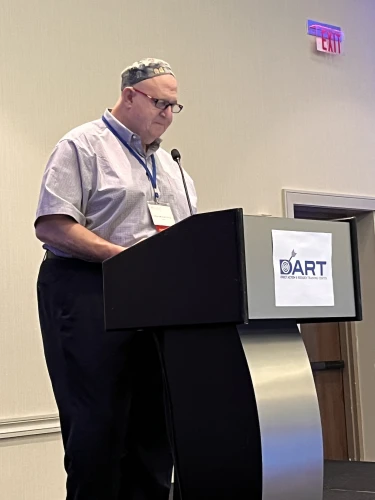
More than 300 clergy and lay leaders from congregations across the United States gathered in the Greater Orlando metropolitan area from July 21-24 for the DART Network’s annual Justice Ministry Conference, returning to their communities equipped to organize their neighbors, strengthen their congregations’ justice ministries, and address serious problems affecting their communities—from affordable housing and public safety to mental health and education.
Hosted by the DART Network (Direct Action and Research Training), the annual conference brought together leaders from Catholic, Protestant, Jewish and other faith traditions who share a common conviction: Faith calls people not only to serve those in need, but to work together to address systems creating those needs.
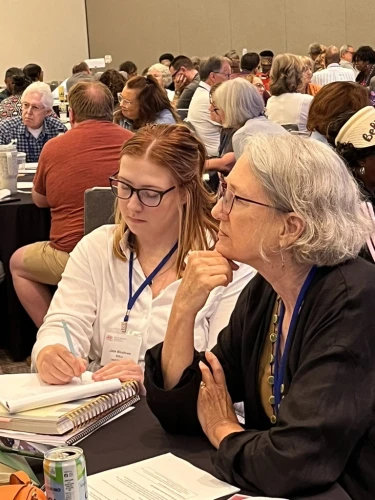
Participants gained practical training in relationship-building, one-to-one conversations, community listening, leadership development, power analysis and strategic public action.
These tools help congregations identify societal problems, as well as organize effective, lasting solutions rooted in relationships and shared values.
Among those attending were first-time lay leaders, experienced clergy and seasoned organizers, who spent the week learning alongside one another.
They returned home empowered to jump-start conversations with their congregations and their communities, listening to the concerns families are facing and discerning when they are called on to act together.
Reflecting the growing diversity of the DART Network, portions of this year’s conference were offered in both English and Spanish.
Simultaneous interpretation and bilingual training allowed Spanish-speaking clergy and lay leaders, including many from Catholic parishes, to fully participate, strengthening relationships across the network and ensuring leadership development is accessible to all.
The conference also celebrated victories from across the DART Network that demonstrated what organized faith communities can accomplish. One came from Broward County, Fla., where BOLD Justice helped secure $28 million for affordable housing after years of persistent organizing and relationship-building.