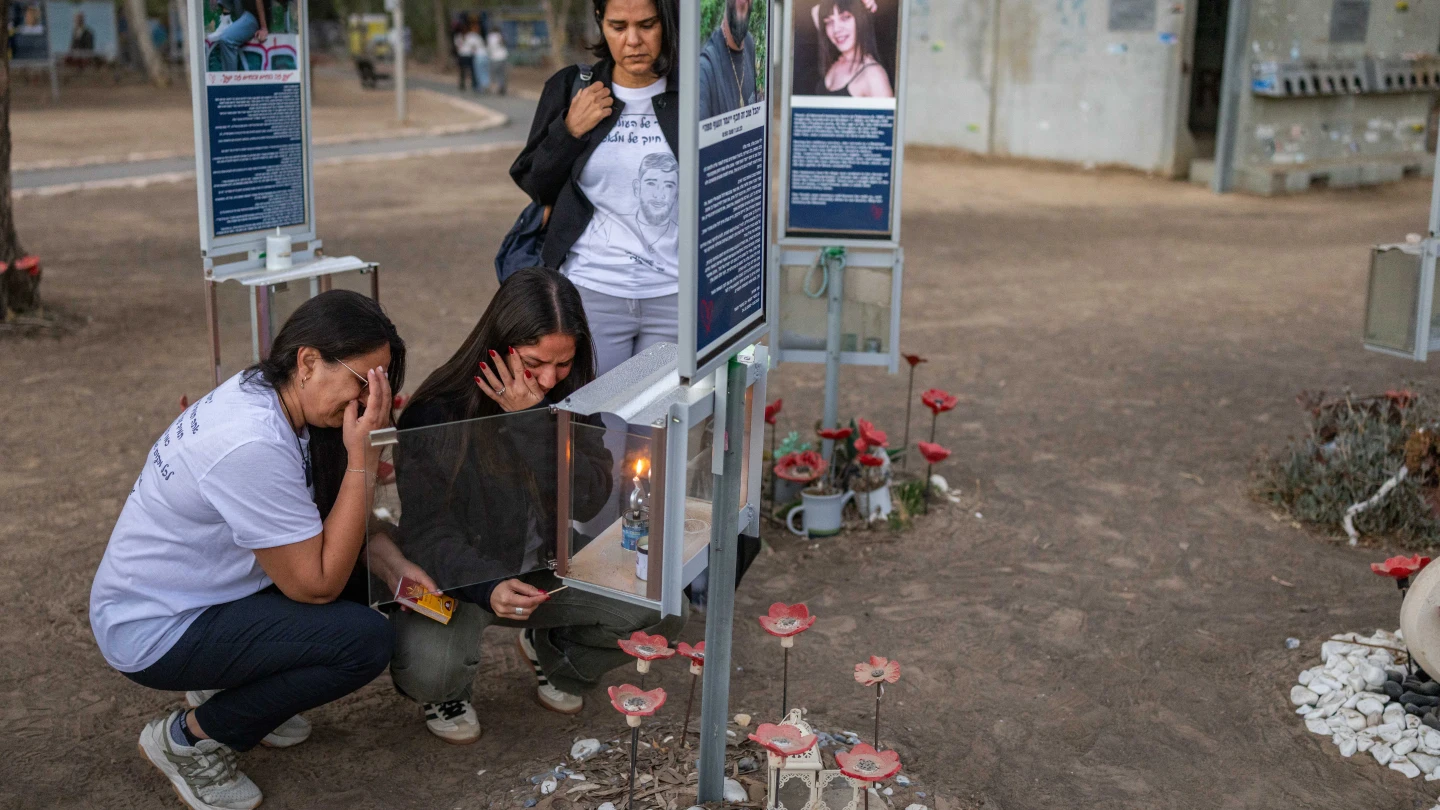
Infidel Awareness Month, a national observance bringing together Jews, former Muslims and Christians, is underway following its Sept. 11 launch and will continue through Oct. 7, the anniversaries of the 9/11 attacks and the Oct. 7 massacre.
Each day, Infidel Awareness Month remembers the victims, examines the history and ideology behind the attacks and asks a simple question: Why are we still afraid to name the threat?
“Infidel Awareness Month is about remembering, understanding and speaking plainly,” said founder and historian Richard Landes. “We cannot defend a free society if we are afraid to name the ideology that has repeatedly declared us its enemy. No to supremacist Islam. Yes, to Muslims who live as our equal neighbors.”
At the center of the initiative is one word: “infidel.” Many Americans never knew this word was meant for them. Under a supremacist interpretation of Islam, it means everyone outside the faith, including Christians, Jews, secular people and even Muslims who reject that interpretation.

“Twenty-five years ago, as a boy in Amman, I cheered when the towers fell. Today I am a proud infidel,” said Danny Burmawi, founder and CEO of the Ideological Defense Institute, which is partnering with Infidel Awareness Month. “The month is about confronting the threat of an ideology that demands submission and seeks to impose Sharia law across society. We will not hide behind euphemisms. But this is not a war on Muslims. Muslims are this ideology’s first victims and some of its bravest opponents are those, like me, who left it.”
The month is not a campaign against Muslims. It is a campaign against a supremacist, intolerant ideology that seeks to dominate rather than integrate. Muslims who embrace diversity and who want to live as equal citizens and patriotic, peaceful neighbors are welcome and should never be the object of bigotry.
“27 Days of Truth”
At its heart are 27 Days of Truth, with one theme for each day. The program is built around three ideas:
- A record. Remember the victims. Name them. Tell their stories.
- A reckoning. Ask how euphemism, censorship and fear of offense made it harder to speak honestly about jihadist ideology.
- A warning. Recognize that the ideology did not disappear with Osama bin Laden or the fall of ISIS’s territorial caliphate.
The initiative also seeks to raise awareness about what organizers describe as the continued spread of radical Islamist ideology into Western institutions and society and to encourage the West to recognize and confront the threat before it becomes further entrenched.
For the full program, daily schedule and additional information: infidelawareness.com.
Landes and Burmawi are available for interviews to discuss Infidel Awareness Month, the significance of Sept. 11 and Oct. 7, the ideology behind jihadist terrorism and the broader warning organizers say the West must confront.